
Why Onions Need More Time Than Most Recipes Admit
If your savory cooking tastes sharp or unfinished, undercooked onions are often the real issue, not the recipe around them.
On this page
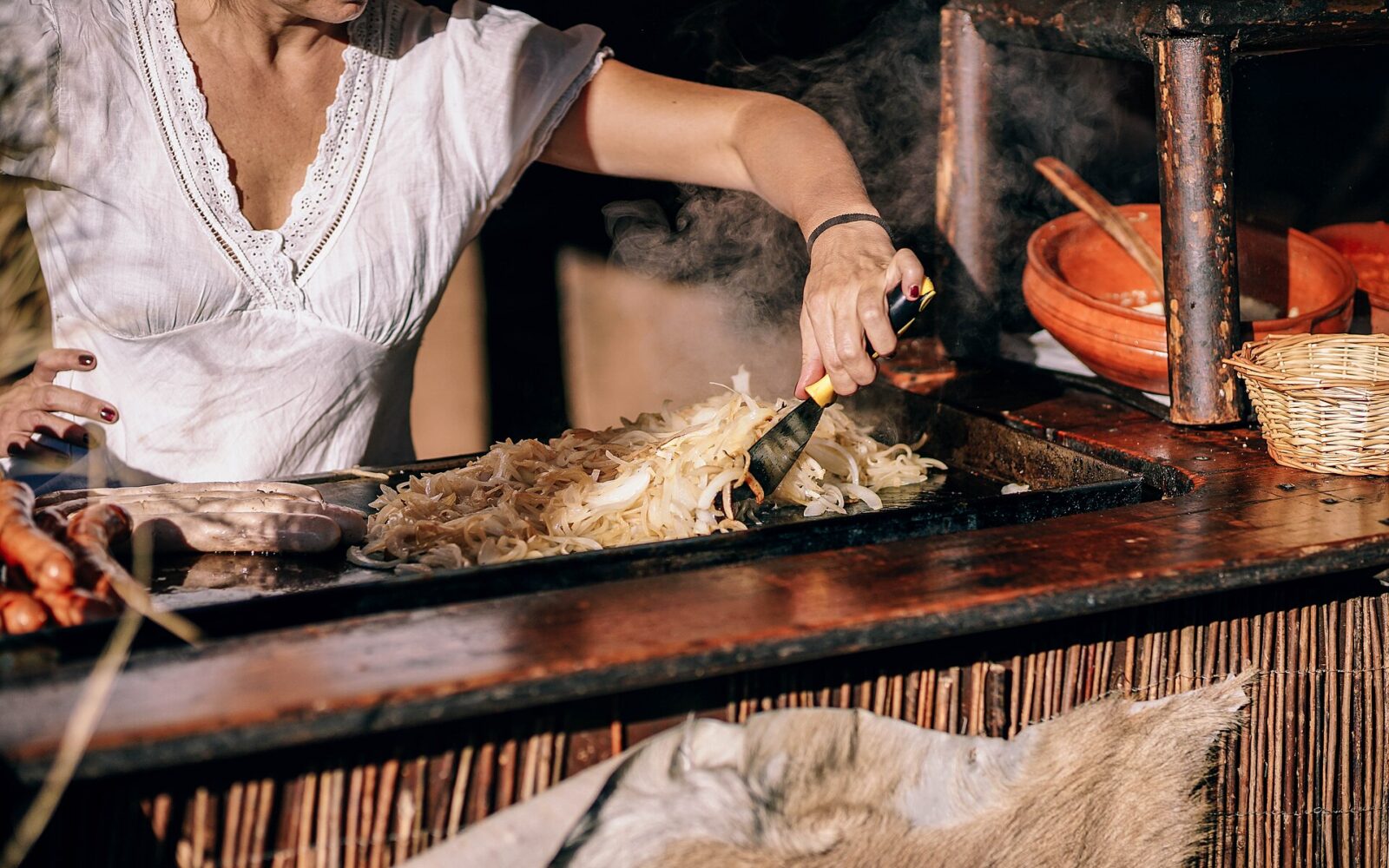
Many recipes promise softened onions in five minutes as if that were a neutral fact. It usually is not. Five minutes can take the raw edge off, but it rarely gets onions to the sweeter, gentler stage most dishes are actually hoping for. If your cooking often tastes a little harsher than expected, rushed onions are one of the first places to look.
This matters because onions are rarely just another ingredient. They are often the base note of the entire dish. If that base is undercooked, everything built on top of it has to work harder to feel balanced.
The short answer
Onions need more time because water has to leave before sweetness can arrive. At first they sweat. Then they soften. Only after that do they start tasting mellow and rounded. If the pan is too hot, they catch before they sweeten. If the pan is too crowded, they stew instead of browning. And if the timer is too optimistic, you stop just before the good part.
The phrase “softened onions” can hide a lot of stages. There is a big difference between onions that have merely lost stiffness and onions that have actually developed sweetness. That gap is what people often taste without being able to name. The dish seems slightly harsher than expected, slightly more watery, or somehow unfinished even though every ingredient is technically present.
What recipes often mean but do not say
When a recipe says “cook until softened,” it is often describing a stage the writer has learned to read visually rather than one that translates cleanly into minutes. A thin layer of onions in a roomy pan behaves differently from a piled-up skillet full of them. Heat level, onion variety, and pan size all change the clock.
That is why fixed timing can mislead even competent cooks. The better question is not “Has it been five minutes?” but “Do these onions still taste raw?”
How to tell when they are ready
Heat level is a major part of the confusion. Recipes sometimes give medium heat as if that were a universal setting, but different stoves and pans interpret it very differently. In one kitchen, medium means a steady soft sizzle. In another, it means onions racing toward burnt edges before their centers have had time to mellow. Time, heat, and quantity are always negotiating with one another.
Onion variety matters too. A sweet onion, a yellow onion, and a red onion do not all move through the same stages at exactly the same pace. That does not mean cooks need to become specialists. It simply means the pan should be read with the eyes and tongue rather than obeyed like a stopwatch.
Properly cooked onions look glossy and collapsed. Their smell shifts from sharp to round. If you taste a small piece, it should feel sweet before it feels hot or biting. This stage is often what savory dishes actually need, even when the written method sounds more hurried.
Going beyond that into caramelization is a separate decision, but many weeknight dishes benefit simply from onions that were allowed to become gentle rather than merely translucent.
Another good signal is the sound of the pan. Early on, onions hiss with moisture. Later, the sound becomes steadier and quieter because less water is fighting its way out. This is subtle, but cooks who listen as well as look usually become better at onion timing without needing stricter rules.
Common mistakes that keep onions harsh
Crowding is one problem, but impatience is the more common one. People stir constantly, crank the heat, or move on too soon because the onions look active in the pan and therefore seem done. In reality, activity is not the same as readiness. A pan full of steaming onions can look busy long before it tastes useful.
Another mistake is failing to salt early enough. Salt is not magic, but it helps onions release moisture and soften more evenly. A small pinch at the start encourages the process. Without it, onions can color unevenly and stay firmer in the center than the cook intends.
A practical takeaway for everyday cooking
Budget ten to fifteen minutes more often than not, and do not be afraid to lower the heat if the edges darken too fast. Salt helps the process, and occasional stirring is enough. What you are buying with that extra time is not luxury. It is structure.
If a dish begins with onions, giving them room to become sweet is often the easiest upgrade available.
That upgrade compounds. Better onions make soups deeper, tray bakes sweeter, bean dishes rounder, and quick pasta sauces more coherent. It is one of the few improvements that asks for no expensive ingredient and no special equipment. It simply asks the cook to stay with the pan long enough to reach the stage the recipe probably wanted all along.
Why better onions improve almost everything
Onions appear so often in savory cooking that they almost disappear from attention. That is exactly why timing them well matters. When a foundational ingredient is undercooked, the whole dish inherits that haste. When it is cooked properly, the rest of the recipe suddenly feels more balanced without anyone needing to name why.
That makes onions a kind of hidden skill marker in a kitchen. Cooks who learn to read them well often improve across dozens of recipes at once. Soups gain sweetness, braises gain roundness, beans lose harsh edges, and sauces stop feeling thin. The upgrade is disproportionately large for such an ordinary ingredient.
In that sense, onion timing is a good example of what useful food writing should do. It should help readers notice the small technical choices that echo through a whole archive of cooking, not only the flashy tricks that apply once.
What this changes in daily cooking
Once cooks stop treating onions as a mandatory but minor first step, they often become more patient with other foundational tasks as well. They season earlier, crowd pans less, and stop expecting flavor to appear without time. Better onions quietly train better habits elsewhere in the kitchen.
That may be why this lesson keeps returning across recipes. It is not only about onions. It is about pace, attention, and understanding that many savory dishes are built from small improvements to the base rather than from dramatic finishes at the end.
Seen that way, onions are almost a kitchen principle as much as an ingredient. They reward clarity, punish haste, and improve the whole structure when they are handled honestly. That makes them exactly the sort of ordinary but powerful subject a strong food archive should keep explaining.
And because onions are so common, the lesson pays off repeatedly. A reader who learns to cook them better once will improve soups, sauces, braises, beans, and tray bakes for years. Few techniques offer that much return for such a modest adjustment in time and attention.
Keep reading
You can taste this principle directly in Crispy Sheet-Pan Chicken with Caramelized Onions and Potatoes. For another ingredient-focused explainer, open What Tomato Paste Actually Does in a Pan. And for the site standards behind these explainers, see the Editorial Policy.
The short version to remember before you move on.
It usually is not.
Keep reading
More from Food Facts, selected to keep the flow going.
Brain Power & Bone Strength: 10 Foods to Keep You Independent
Start with 10 pantry-friendly foods that support thinking and bone health—each entry includes the kitchen portion or swap that actually makes a difference.
Peeling and Seeding Tomatoes: When It’s Worth the Work (and When to Skip It)
If your sauce turns watery or your salsa becomes runny, remove skins and seeds: blanch 15–30 seconds and strain the gel to keep texture and concentrate flavor.

Eat for Youthful Skin and Energy: 10 Foods to Add to Your Kitchen Now
Start with three weekly swaps—salmon, spinach, and blueberries—to boost protein, omega‑3s, and vitamin C; here’s the practical list plus simple kitchen tips.
Next in the journal
Jump to the next read without returning to the archive.