
What Makes a Recipe Feel Trustworthy the First Time You Read It
Trust starts before the pan heats: in sensible titles, believable timing, clear structure, and a tone that respects the cook.
On this page
A trustworthy recipe usually announces itself quietly. It does not need exaggerated claims, heroic promises, or paragraphs of self-congratulation. It earns confidence through structure. The ingredients make sense together. The method sounds like it was written by someone who understands how a home kitchen moves. The timing feels plausible. The tone is calm enough that you believe it.
That first impression matters because most readers decide whether a recipe is worth cooking long before a pan is heated.
Clarity is the first trust signal
Good recipes do not confuse precision with clutter. They tell you what matters and leave out what does not. They separate the core method from the surrounding story. They make it easy to see what the dish is asking of you before you commit ingredients and energy.
When a recipe feels evasive, overloaded, or theatrically vague, trust drains quickly even if the dish might technically work.
Clarity starts before the method begins. A reader notices whether the title sounds specific, whether the excerpt actually describes a dish, whether the ingredient list looks plausible, and whether the method moves in a believable order. Trust is already rising or falling before the first instruction has been read closely.
Honesty matters as much as charm
Readers notice when timing sounds unrealistic, when ingredients feel included only for novelty, or when every dish is described as effortless and life-changing. Trust grows when a recipe sounds like it respects the cook’s time and attention enough to be plain where plainness is useful.
That does not mean recipes have to be dry. It means warmth should not replace information.
Honesty also means admitting what kind of dish something is. A fast pantry dinner should not be dressed up like a once-in-a-lifetime feast. A slow project should not be marketed as an effortless weeknight miracle. When recipes are described in terms that match their real demands, readers relax. They feel they are being told the truth instead of being sold a mood.
Structure carries confidence
A solid introduction, sensible headings, clear ingredient language, and method steps that do not leap over important transitions all help. So does useful supporting context: what to look for in the pan, where things can go wrong, what can be made ahead, and how leftovers behave. Those details reassure the reader that the recipe was shaped for actual use.
Readers also notice when a recipe anticipates friction. If the writer warns that onions need more time than expected, explains how thick the sauce should look, or suggests how leftovers behave the next day, confidence rises. Those details signal that the recipe respects real kitchen conditions rather than assuming ideal ones.
Why design and trust pages matter too
Recipe trust is not built only inside the post body. It is shaped by the page around it. A cluttered site, invisible contact route, or vague editorial policy can make even a decent recipe feel less reliable. By contrast, a clear layout, visible standards, and reachable editor tell the reader the archive is being maintained rather than abandoned between uploads.
That is one reason trust pages matter so much for food publishing. They answer a different question from the recipe itself: not “Can this dish work?” but “Is this the kind of site that notices when something needs improving?” When the answer appears to be yes, readers are more willing to cook from the archive and return to it later.
Why this matters for a food journal
A recipe archive becomes trustworthy one piece at a time. If enough posts feel readable, plausible, and well kept, readers bring that trust with them to the next page. That is one reason the surrounding trust pages, correction routes, and site standards matter too: they tell the reader the site cares how its work lands.
A trustworthy archive is therefore cumulative. One solid recipe helps. Ten solid recipes, a visible correction path, and a coherent voice help much more. Readers do not always articulate that calculation, but they feel it. The site either seems cared for or it does not.
What readers remember after they cook
After someone cooks a recipe, they do not remember every line. They remember whether the method felt honest, whether the timing was believable, whether the flavors landed as promised, and whether the page respected their attention. That memory becomes the real basis of trust. It is built from use, not only from presentation.
They also remember how the site behaved around the recipe. Was there a sensible excerpt? Did the page feel maintained? Could they find the standards and contact route if something seemed unclear? Those details sit just outside the recipe itself, but they shape whether a reader returns with confidence or with caution.
That is why trustworthy food writing is cumulative in two ways at once. It accumulates across many posts, and it accumulates inside the reader’s own experience. A single clear recipe can open the door. Repeated clarity keeps it open.
In the end, a trustworthy recipe feels less like persuasion and more like guidance. It sounds like someone took the time to arrange the information well, tell the truth about the dish, and make the cook’s work a little easier. For a food journal, that is one of the most valuable impressions it can leave behind.
That impression is difficult to fake because it depends on alignment between tone, structure, and result. The site either follows through on its own promises or it does not. When it does, readers may not always describe the feeling in those terms, but they sense it immediately and carry it forward to the next recipe.
That is why trust is one of the strongest forms of momentum a food journal can build. It brings readers back more effectively than exaggeration ever will. Once someone believes the archive is written with care, the next click comes more easily.
That return click is the quiet proof that trust has been earned. It means the recipe was not only readable on first glance, but useful enough in practice that the reader is willing to hand the site their attention again. Few outcomes matter more than that.
In a crowded recipe internet, that kind of return is one of the clearest signs that clarity has done its work.
Keep reading
For a recipe shaped around clarity and practical pacing, cook Crispy Sheet-Pan Chicken with Caramelized Onions and Potatoes. For a standards page that explains how the archive is handled, open the Editorial Policy. And if you want another essay about trust and usefulness in the kitchen, read Why Some Kitchen Rituals Matter More Than New Gadgets.
Keep reading
More from Food Stories, selected to keep the flow going.
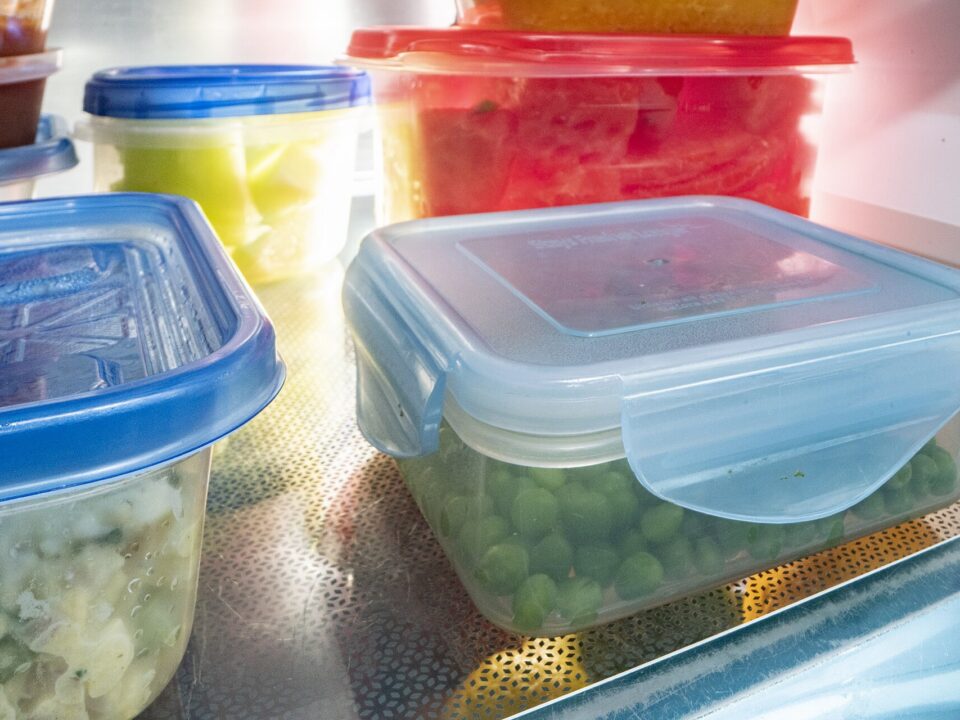
Cooking from a Half-Empty Fridge
A half-empty fridge asks for attention instead of abundance, often leading to the most observant and grounded kind of cooking.
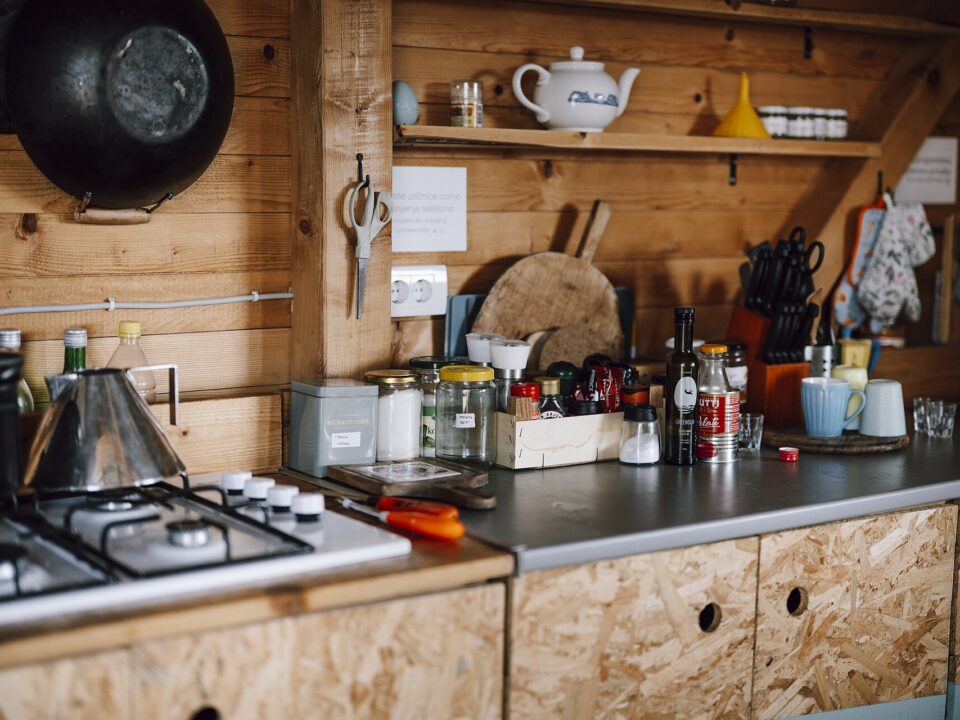
Why Some Kitchen Rituals Matter More Than New Gadgets
The habits that steady dinner are often quieter than the gadgets sold to fix everything, and far more likely to last.
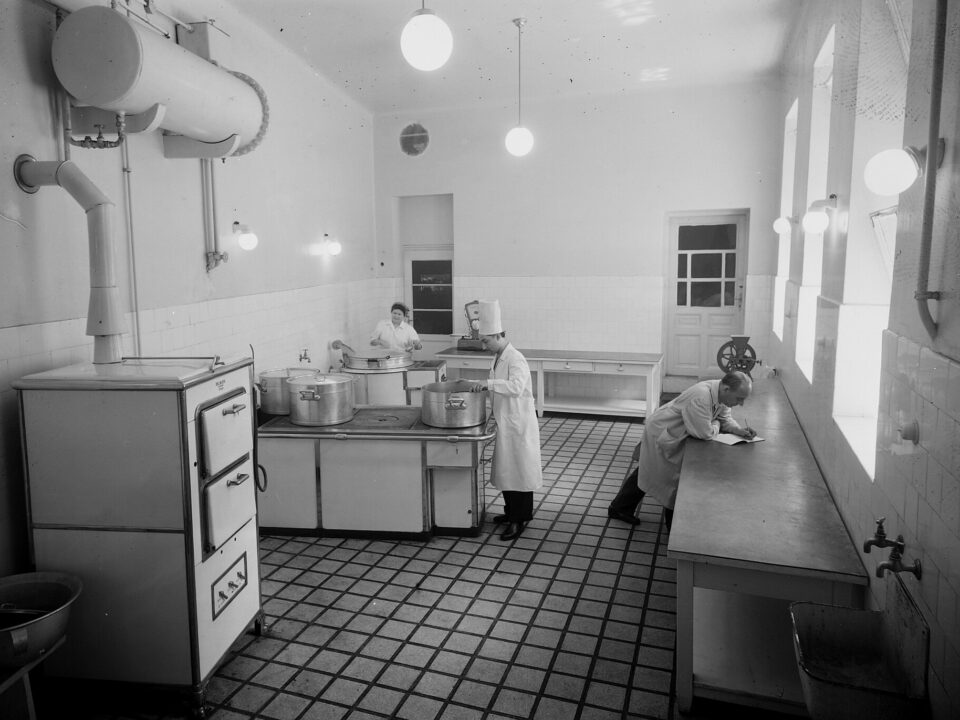
The Quiet Value of a Soup Pot on a Busy Weeknight
A soup pot earns its keep by slowing dinner into stages, absorbing interruptions, and making ordinary weeknights feel steadier.
Next in the journal
Jump to the next read without returning to the archive.