
Pizza Fromage: The Cheese-Forward Method for Ultra-Melt and Crackly Crust
Two decisions unlock a premium pizza fromage: a long cold ferment and a bold cheese blend that melts perfectly without pooling.

On this page
Two decisions unlock a premium pizza fromage: a high-hydration dough fermented slowly and a cheese blend that melts without pooling oil. Start with a dough that rests overnight in the fridge, then bake on a preheated stone so the crust blisters and the edges curl up with caramelized color. The payoff is a slice that stays crackly at the rim, yet stays creamy and gooey under a bright, cheese-forward top.
Why this works
Crust science is the backbone here. Hydration around 65–70 percent keeps the dough supple enough to stretch without tearing while giving a light, airy crumb once baked. A long cold fermentation builds flavor and relaxes the gluten, which reduces elasticity and helps the dough hold a gentle bite even after topping. A hot oven and a stone or steel give that dramatic bloom of bubbles and a toasted edge, while the minimal sauce allows the cheese to shine rather than drown it.
The cheese blend is the flavor anchor. Mozzarella brings the essential melt and moisture. Fontina (or Gruyère if you want deeper melt) adds a creamy center with a higher fat content that resists oiliness. A finish of Parmigiano-Reggiano or aged provolone intensifies aroma and adds a savory bite that you only notice once you bite into the slice. If you want even more depth, a whisper of ricotta can be added after baking for a creamy counterpoint; see the linked Recipes hub for ideas on cheese-forward pizzas. Recipes.
For more on dough behavior and pan technique, see What Tomato Paste Actually Does in a Pan and Recipes.
Tip: don’t rush the dough. A slow rise allowed in a cool kitchen rewards you with flavor and a firm texture that a rushed dough just can’t deliver.
On the next page, we map the practical bake and finishing touches with confidence.
Keep reading
More from Recipes, selected to keep the flow going.

Thick, Tall Buttermilk Pancakes: How to Get Perfect Fluff Every Time
Two small technique changes—use buttermilk and mix as little as possible—give tall, tender pancakes with browned edges and a custardy interior in about 25 minutes.

The Best Warm German Potato Salad: Crispy Potatoes, Bacon, and a Glossy Pan Sauce That Clings
Crisp-tender potatoes meet smoky bacon and a glossy vinegar dressing that clings to every bite—this warm German potato salad earns its keep with texture, brightness, and practical technique.
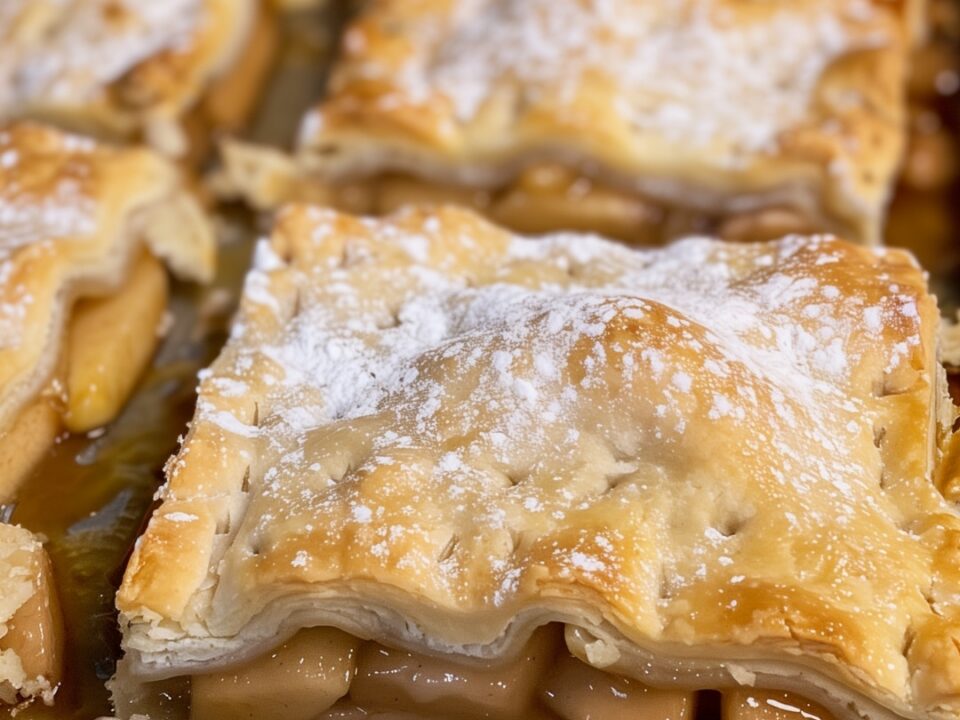
Can’t Stop, Won’t Stop: Cinnamon-Apple Slices You’ll Make All Week
Thin-sliced apples, butter, and cinnamon caramelize on a sheet pan into a glossy, cozy dessert you’ll crave after dinner or as a quick snack.
Next in the journal
Jump to the next read without returning to the archive.