
Thick, Tall Buttermilk Pancakes: How to Get Perfect Fluff Every Time
Two small technique changes—use buttermilk and mix as little as possible—give tall, tender pancakes with browned edges and a custardy interior in about 25 minutes.

On this page
Two simple, concrete adjustments—use buttermilk (or an acidified milk), and stop mixing the batter as soon as the dry and wet ingredients come together—transform thin, flat pancakes into tall, tender ones with a browned, slightly crisp edge and a custardy interior. This recipe trades elaborate techniques for precise small steps you can repeat on any stovetop.
Why this works
Height and tenderness come from two forces working together: chemical leavening and restrained gluten development. Acid in buttermilk reacts with baking soda to produce carbon dioxide immediately, creating big bubbles that lift the batter while it cooks. That reaction is strongest when batter hits a hot pan—so timing matters.
Overworking the batter develops gluten, which tightens the structure and flattens pancakes. A lumpy, barely-mixed batter keeps gluten low and traps the gas from leaveners in soft pockets, producing a tender crumb instead of a rubbery chew. Temperature is the other partner: too hot and the exterior browns before the interior rises; too cool and the batter spreads and soaks up fat.
Rule of thumb: mix quickly, stop early, and cook over medium-low heat so the outside sets slowly while the inside expands.
Ingredient notes
- Buttermilk: Provides acidity and a thicker liquid to support height; substitute 1 cup milk + 1 tbsp lemon juice or vinegar if needed—let sit 5 minutes.
- Flour: All-purpose works best; keep measurements light—spoon into the cup and level. Using whole-grain flours will yield nuttier but denser pancakes; replace up to 25% without losing much lift.
- Leavening: Baking soda plus baking powder is the reliable combo—baking soda reacts with the acid right away, baking powder gives a secondary lift during cooking.
- Eggs and fat: Whole egg (or an extra yolk) adds richness and structure; melted butter folded into the batter keeps edges flavorful without making the pan greasy. For a neutral fat, use light oil in the pan.
- Sweetener and salt: A tablespoon of sugar helps browning and flavor; salt sharpens the profile—don’t skip it.
If you want to explore other breakfast recipes or scale this technique to waffles, see our collection: Recipes.
Keep reading
More from Recipes, selected to keep the flow going.
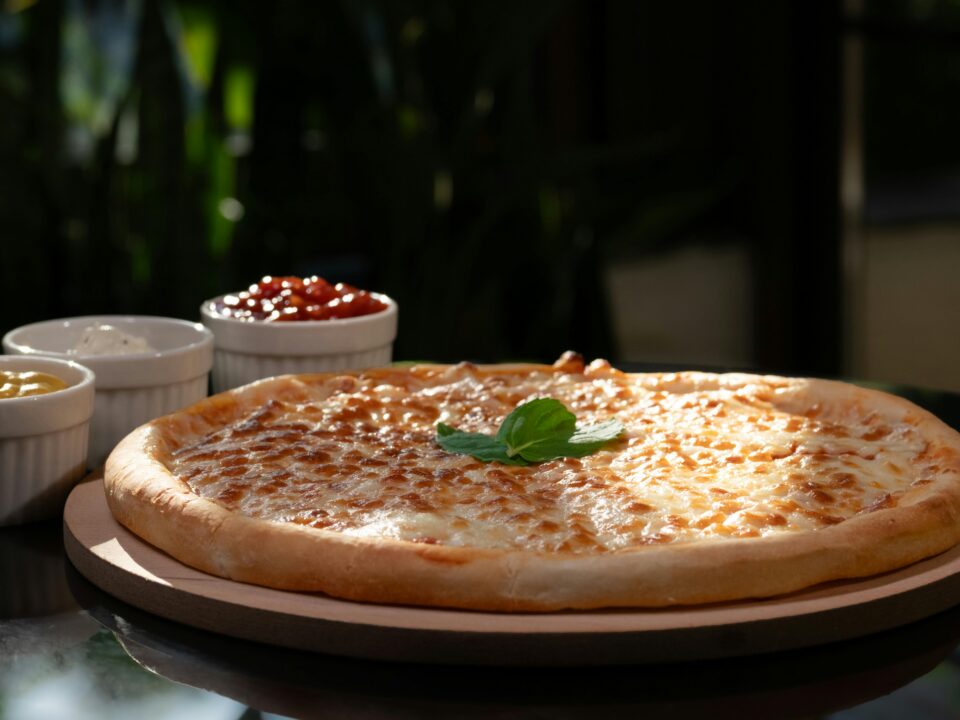
Pizza Fromage: The Cheese-Forward Method for Ultra-Melt and Crackly Crust
Two decisions unlock a premium pizza fromage: a long cold ferment and a bold cheese blend that melts perfectly without pooling.

The Best Warm German Potato Salad: Crispy Potatoes, Bacon, and a Glossy Pan Sauce That Clings
Crisp-tender potatoes meet smoky bacon and a glossy vinegar dressing that clings to every bite—this warm German potato salad earns its keep with texture, brightness, and practical technique.
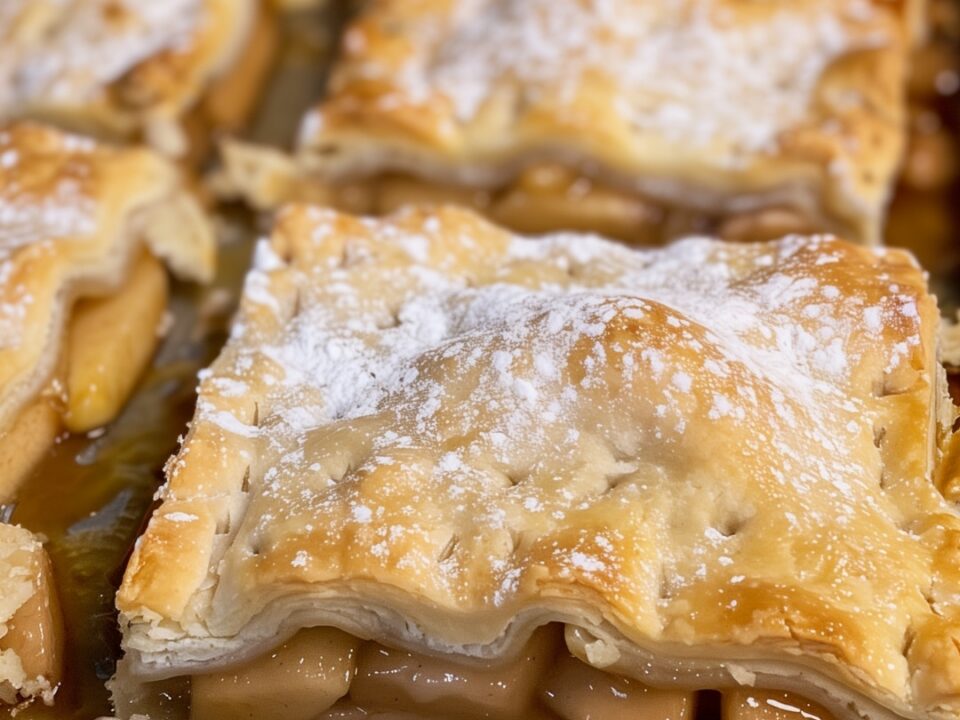
Can’t Stop, Won’t Stop: Cinnamon-Apple Slices You’ll Make All Week
Thin-sliced apples, butter, and cinnamon caramelize on a sheet pan into a glossy, cozy dessert you’ll crave after dinner or as a quick snack.
Next in the journal
Jump to the next read without returning to the archive.