
Peeling and Seeding Tomatoes: When It’s Worth the Work (and When to Skip It)
If your sauce turns watery or your salsa becomes runny, remove skins and seeds: blanch 15–30 seconds and strain the gel to keep texture and concentrate flavor.
On this page
What’s happening inside the tomato
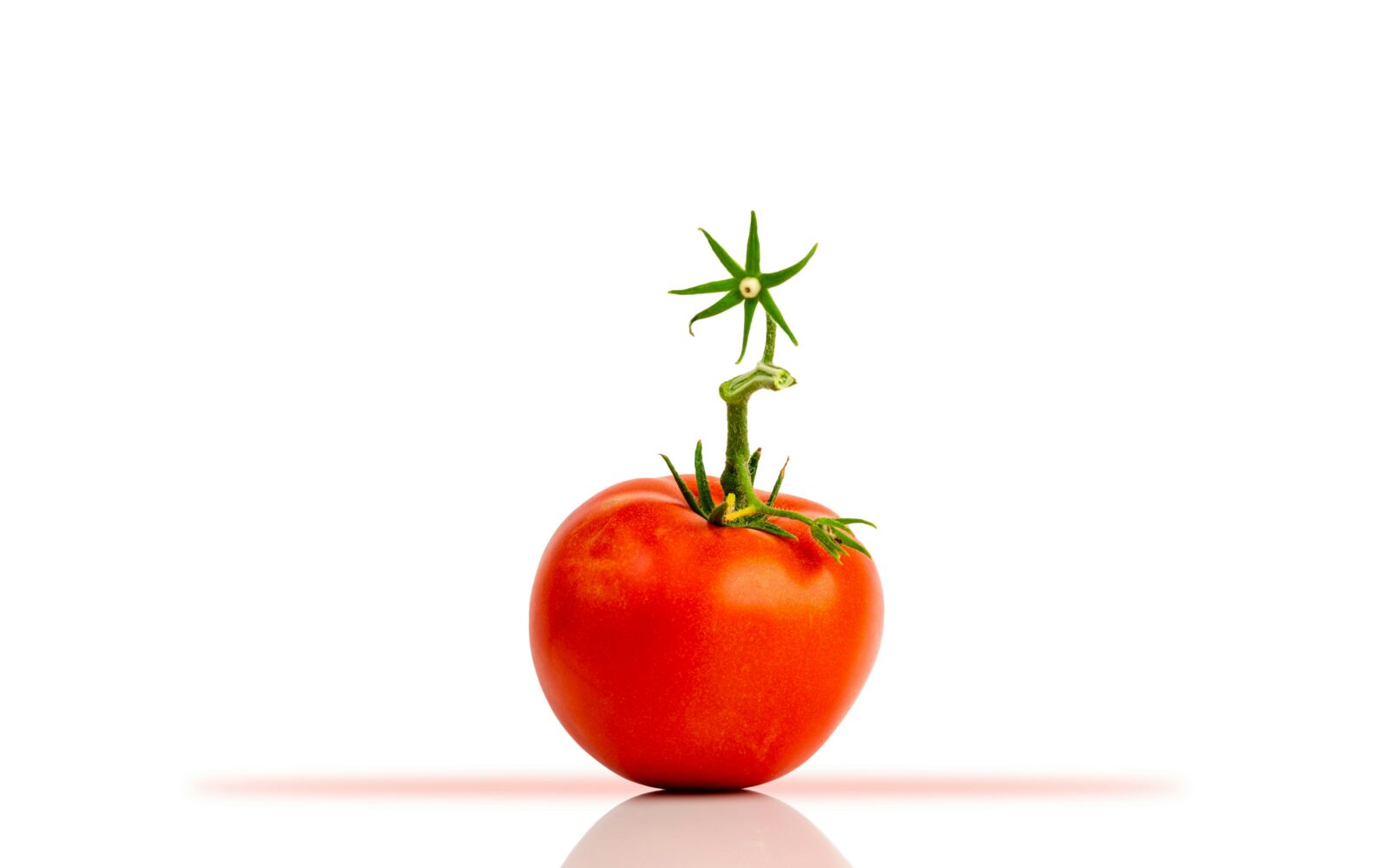
Tomatoes are three distinct parts: a thin skin, flesh made of juice-filled cells, and locular gel that surrounds the seeds. Each part behaves differently under heat, salt, and mechanical action—this is why peeling and seeding changes more than appearance.
The skin is coated with cutin, a waxy polymer that repels water and holds cell structure together when heated. In sauces it can re-contract into papery threads that disrupt a smooth texture. The flesh is mostly water and pectin; when heated, cell walls break down and release juice. The locular gel around the seeds contains most of the free water in a tomato, plus soluble solids (sugars and acids). Straining that gel removes excess water, concentrating flavor and reducing looseness in a finished sauce.
Heat and time alter these components differently:
- Short heat (sautéing or quick roasting) softens flesh but often leaves skins intact; skins give chew and can become slightly bitter if charred too long.
- Long simmering breaks down cell walls; skins will soften but may not fully disappear and can peel off as strings or pockets of skin in a sauce.
- Blanching (brief plunge into boiling water) separates skin without cooking the interior, making peeling fast and precise.
Variety and ripeness matter. Plum/Roma tomatoes have denser flesh and fewer seeds, so they’re naturally better for sauces with minimal prep. Beefsteaks have lots of juice and seeds—strain the gel if you want a thick, concentrated result. Small tomatoes (cherry, grape) are sweet and thin-skinned; their skins rarely bother texture and their seeds are minimal, so you usually skip peeling and seeding.
Roasting changes the calculus: it concentrates flavor by evaporating water, and the skin helps tomatoes hold their shape while caramelizing sugars. That’s why roasted tomato dishes often keep skins; the charred skin contributes savory notes and protects the flesh from turning to complete mush. If you’re making a sheet-pan roast to serve with meat, keep the skins—see how they pair with potatoes and onions in our Crispy Sheet-Pan Chicken with Caramelized Onions and Potatoes.
Keep reading
More from Food Facts, selected to keep the flow going.
Brain Power & Bone Strength: 10 Foods to Keep You Independent
Start with 10 pantry-friendly foods that support thinking and bone health—each entry includes the kitchen portion or swap that actually makes a difference.

Eat for Youthful Skin and Energy: 10 Foods to Add to Your Kitchen Now
Start with three weekly swaps—salmon, spinach, and blueberries—to boost protein, omega‑3s, and vitamin C; here’s the practical list plus simple kitchen tips.

Should You Refrigerate Bananas? Why the Peel Goes Brown and When It’s Worth It
Refrigerating ripe bananas darkens the peel but slows interior softening—learn when brown skins are cosmetic, how cold damages peel cells, and exact storage moves that work.
Next in the journal
Jump to the next read without returning to the archive.