
Sauce Tomate That Tastes Slow‑Cooked — in 45 Minutes
Cut through thin, acidic tomato sauce: sweat the onions low and long, toast the tomato paste, then simmer 30–40 minutes for rich, balanced sauce.
On this page
Start here: sweat one large onion low and slow, toast two tablespoons of tomato paste until it darkens and smells nutty, then add crushed tomatoes and simmer—this is the backbone of a sauce tomate that tastes slow‑cooked without an all‑day braise. The difference isn’t magic; it’s targeted heat, concentrated sugars and a little patient timing that turn bright tomatoes into something round, savory and layered.
Why this works
Tomatoes are mostly water and acid. The quick, bright flavor most people know comes from that raw acidity. To turn a grocery‑store can into a sauce with depth, two transformations must happen: extract and concentrate sugars from aromatics, and build savory caramelized flavors in the pan.
Caramelized onions provide sweet backbone. Browning tomato paste (often overlooked) adds Maillard complexity and tames that fresh tomato edge. Finally, a controlled simmer lets flavors marry without reducing the sauce to bitterness. These three moves—slowly sweated onions, toasted tomato paste, and a focused simmer—produce the rounded, long‑simmered character of a classic sauce tomate in far less time than a ragù.
When you taste the finished sauce you should notice a low, sweet onion note, a toasted, almost nutty midpalate from the paste, and a balanced acidity that lifts rather than punches the tongue. If any element is missing—raw onion, under‑toasted paste, or a too‑short simmer—the sauce will feel flat or overly sharp.
Ingredient notes
Use these ingredient choices to get the result promised above. Quantities are in the recipe card, but these notes explain why each choice matters.
- Tomatoes: Good canned whole peeled tomatoes (San Marzano if you prefer) provide texture and consistent flavor; crushed is acceptable but whole gives you control when breaking them down by hand or with a short blitz.
- Tomato paste: Two tablespoons, cooked until deep brick color, does two jobs: concentrates tomato umami and creates a toasty base. For why that browning step is essential, see What Tomato Paste Actually Does in a Pan.
- Onion and garlic: A yellow or sweet onion is best—sweat it patiently to coax out sugars; for more on timing and heat, read Why Onions Need More Time Than Most Recipes Admit.
- Fat: Extra‑virgin olive oil brings flavor and carries the tomato paste flavor; butter at the finish softens acidity and adds silk if you prefer.
- Acidity balance: A teaspoon of granulated sugar or a splash of balsamic helps if the tomatoes taste sharp. Do this at the end—add a little, taste, and adjust.
- Herbs and seasoning: Bay leaf and a sprig of thyme or a small knob of dried oregano during the simmer will perfume the sauce; finish with chopped basil if serving immediately.
- Optional boosts: A single anchovy fillet melted into the oil or a tablespoon of grated Parmesan rind during the simmer adds umami without fishiness.
These choices let you adjust for what you have on hand while keeping the technical moves consistent: develop sweetness, deepen umami, and balance acid.
Hungry for variations or dishes that use this sauce? See our collection at Recipes.
Keep reading across the journal: Recipes.
Keep reading
More from Recipes, selected to keep the flow going.
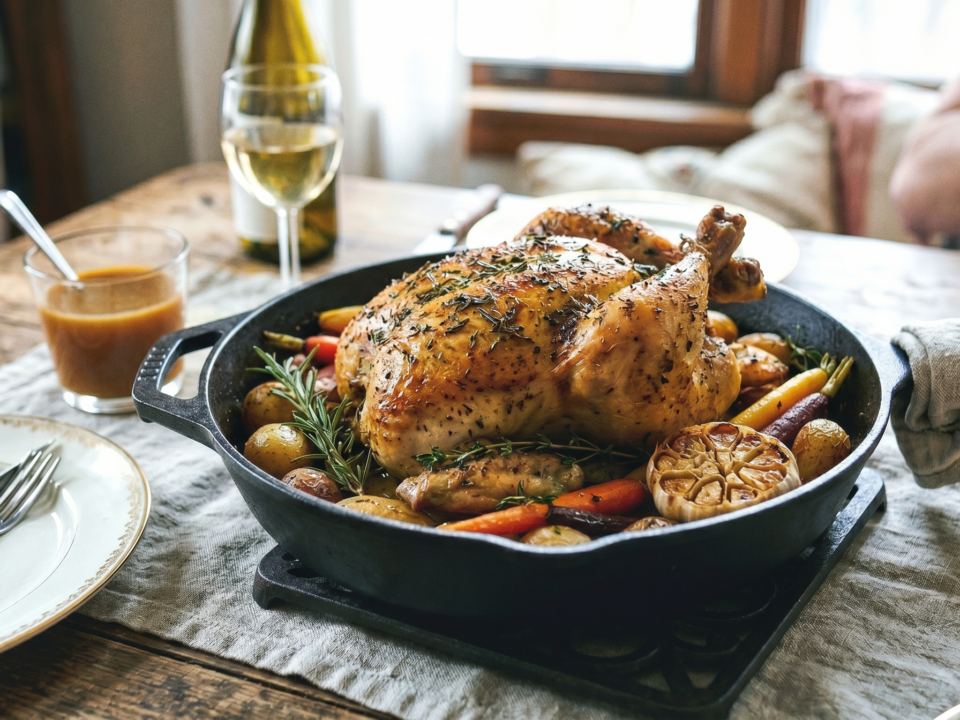
The “Sunday Best” Slow-Roasted Garlic & Herb Chicken
Slow-roast a 3½–4 lb chicken at 300°F for tender, nearly fall-apart breast meat and roast whole garlic until it’s spreadable—plus the single trick that keeps the skin crisp.

Thick, Tall Buttermilk Pancakes: How to Get Perfect Fluff Every Time
Two small technique changes—use buttermilk and mix as little as possible—give tall, tender pancakes with browned edges and a custardy interior in about 25 minutes.
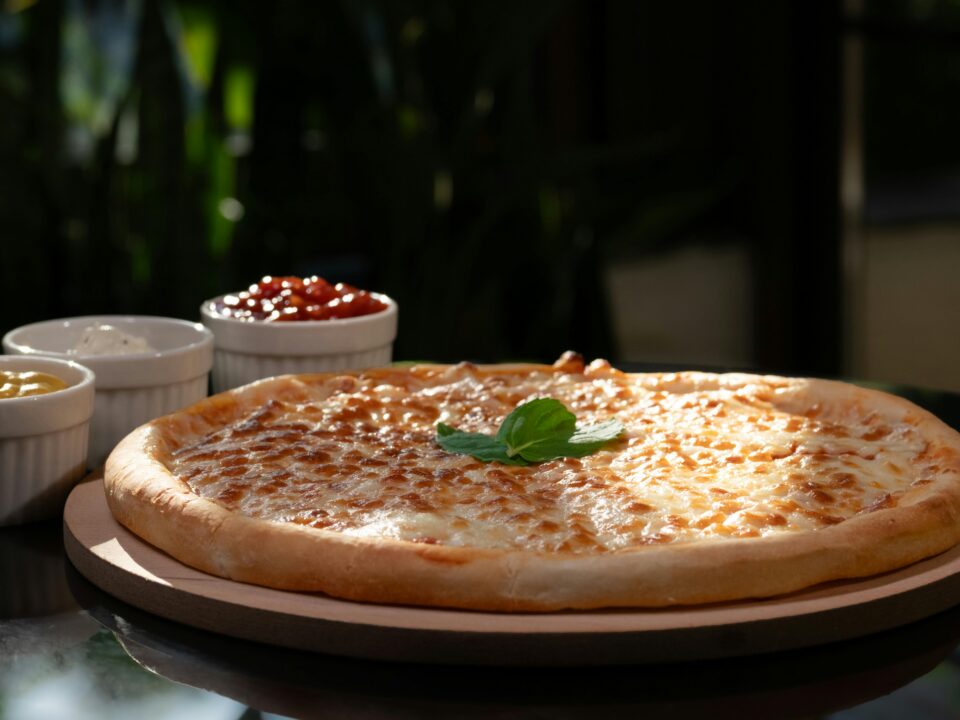
Pizza Fromage: The Cheese-Forward Method for Ultra-Melt and Crackly Crust
Two decisions unlock a premium pizza fromage: a long cold ferment and a bold cheese blend that melts perfectly without pooling.
Next in the journal
Jump to the next read without returning to the archive.