
Sauce Tomate That Tastes Slow‑Cooked — in 45 Minutes
Cut through thin, acidic tomato sauce: sweat the onions low and long, toast the tomato paste, then simmer 30–40 minutes for rich, balanced sauce.
On this page
Practical cooking method
The practical method is where this sauce earns its depth. Use a heavy‑bottomed sauté pan or a shallow saucepan; a wide surface promotes gentle evaporation and good contact for browning. Below is a stepwise approach with sensory cues so you can follow without a timer obsessively.
- 1) Sweat the onion slowly: Heat 3 tablespoons of olive oil over medium‑low. Add finely diced onion with a pinch of salt. The pan should glisten but not sizzle aggressively. Cook for 15–20 minutes, stirring every few minutes, until the onions are soft, deeply translucent and developing pale golden edges. This is the sugar base—don’t rush it.
- 2) Add garlic and aromatics: Add minced garlic and any red‑pepper flakes for 30–60 seconds until fragrant. Garlic cooks quickly—watch for color to avoid bitterness.
- 3) Toast the tomato paste: Push the aromatics to one side, add the measured tomato paste, and let it cook, stirring, until it darkens to a deep brick‑brown and smells nuttier and less acidic—about 2–4 minutes. This step transforms plain paste into a roasted backbone; you can read more on why it matters in this explainer.
- 4) Deglaze and add tomatoes: Deglaze with a splash of water, white wine, or stock, scraping browned bits. Add the canned tomatoes—break whole tomatoes by hand or crush them with a spoon in the pan for texture. Bring to a gentle simmer.
- 5) Simmer, mostly covered: Lower the heat so the sauce barely simmers. Cover partially to allow steam to escape and cook for 25–35 minutes. You want the sauce to thicken slightly and the flavors to integrate; a vigorous boil will roughen the texture and concentrate acid too quickly.
- 6) Finish and adjust: Remove bay leaf. If you used a Parmesan rind, fish it out now. Taste for salt and acid; add a teaspoon of sugar or a splash of good balsamic if the sauce feels sharp. Stir in butter or chopped basil just before serving for silk and freshness.
Key cues: onions should be soft and sweet-smelling, tomato paste should smell toasted and lose its raw tinny edge, and the simmer should be gentle enough that small bubbles break the surface—this is where integration, not reduction, happens.
Technique notes: a splash of water during the early simmer can keep the tomatoes from scorching while still allowing flavor development. If you prefer a smoother sauce, use an immersion blender for 10–20 seconds off the heat; if you want body, leave some broken tomato pieces intact. For a richer finish, stir in 1 tablespoon of cold butter at the end—this rounds the acidity and improves mouthfeel.
Timing tradeoffs: push the simmer toward 40 minutes when tomatoes are very bright or acidic; stop closer to 25–30 minutes for ripe, sweeter canned tomatoes. If you have time and want a darker, more concentrated sauce, extend the simmer uncovered, but expect a firmer texture and higher sugar concentration.
This page focuses on reproducible technique—next, practical serving, storage and how to use leftovers without flavor loss.
Keep reading across the journal: Why Onions Need More Time Than Most Recipes Admit.
Keep reading
More from Recipes, selected to keep the flow going.
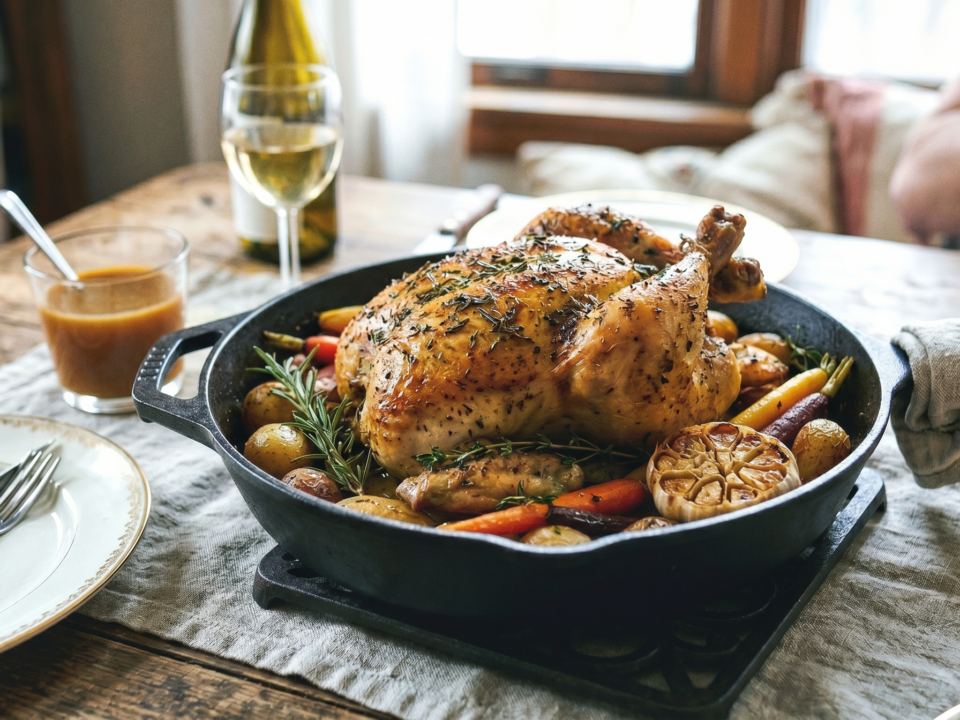
The “Sunday Best” Slow-Roasted Garlic & Herb Chicken
Slow-roast a 3½–4 lb chicken at 300°F for tender, nearly fall-apart breast meat and roast whole garlic until it’s spreadable—plus the single trick that keeps the skin crisp.

Thick, Tall Buttermilk Pancakes: How to Get Perfect Fluff Every Time
Two small technique changes—use buttermilk and mix as little as possible—give tall, tender pancakes with browned edges and a custardy interior in about 25 minutes.
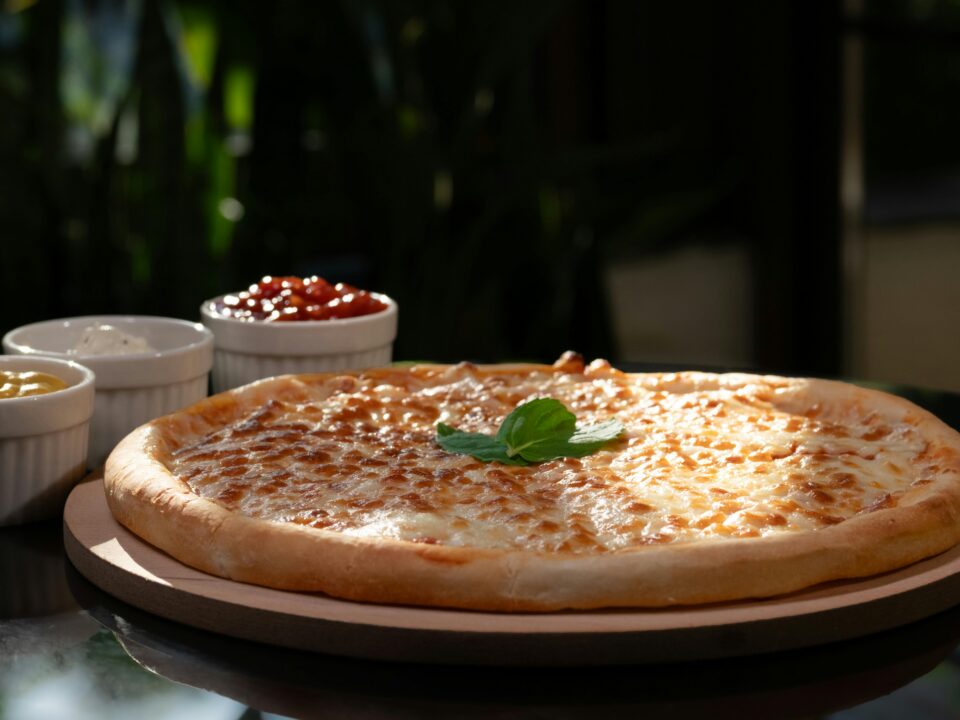
Pizza Fromage: The Cheese-Forward Method for Ultra-Melt and Crackly Crust
Two decisions unlock a premium pizza fromage: a long cold ferment and a bold cheese blend that melts perfectly without pooling.
Next in the journal
Jump to the next read without returning to the archive.