
Why Some Kitchen Rituals Matter More Than New Gadgets
The habits that steady dinner are often quieter than the gadgets sold to fix everything, and far more likely to last.
On this page
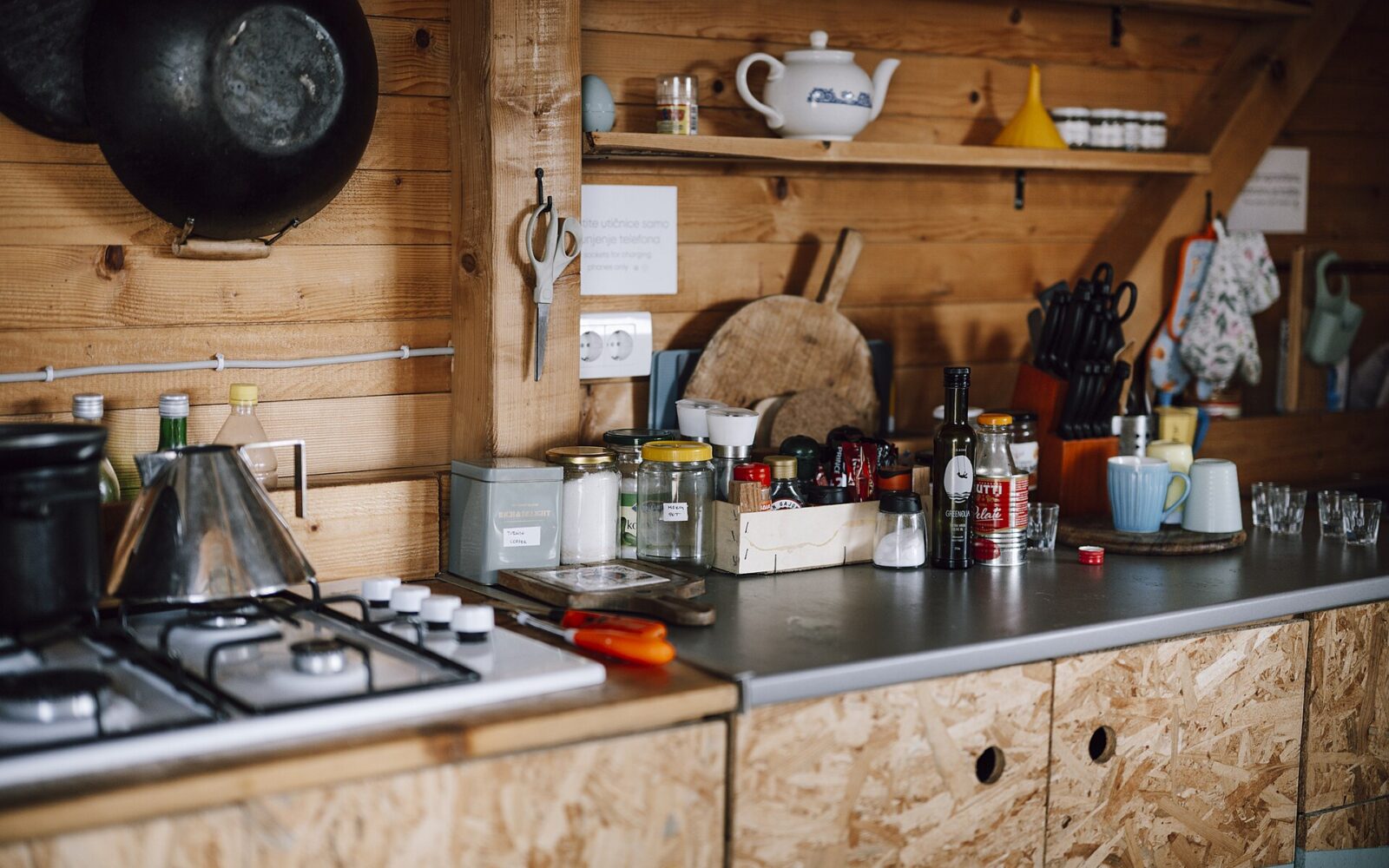
Kitchen gadgets make large promises because that is what objects are good at. They sit there looking like solutions. Rituals are quieter. They are habits so ordinary they can almost disappear from view: filling a kettle before you need it, slicing an extra onion while the board is already out, setting the pot on the stove before hunger becomes impatience.
And yet those small rituals are often what determine whether cooking feels manageable on a normal night.
The difference between tools and rhythms
Useful tools matter. A sharp knife matters. A reliable tray matters. A soup pot matters. But after a certain point, the kitchen becomes easier less because of what you own and more because of how you move through it. The sequence starts to carry some of the effort for you.
That is why one person can do a lot with modest equipment while another can feel slowed down in a drawer full of specialized gear. Rhythm is the hidden infrastructure.
This is not an argument against tools. It is an argument for proportion. Once the basic equipment is sound, improvements often come from repetition rather than from purchase. The cook who clears the board as they go, salts in stages, and begins with a hot pan usually has an easier night than the cook who owns more gadgets but rebuilds the workflow from scratch every evening.
What rituals actually do
They reduce friction. They keep the same few tasks from feeling new every night. They make room for attention to stay on flavor and timing instead of on minor logistics. A towel folded near the board, a bowl for scraps, beans soaking overnight, stock thawing in the fridge: none of these are impressive, and all of them help.
When those habits are in place, dinner feels less like a performance and more like a steady continuation of the day.
Rituals also conserve attention. Home cooking gets harder when every action arrives as a fresh decision. Habits remove some of that burden. A pan goes on before the onion is cut. Water is boiled before the grains are measured. The bowl for waste appears without thought. What looks trivial from the outside becomes a kind of internal architecture.
Why routines outlast novelty
New gadgets usually arrive with a promise of ease. Routines arrive with proof. They have been tested across ordinary nights, distractions, tiredness, and imperfect groceries. That is why they tend to endure longer. A routine becomes part of the cook. A gadget remains an object asking to justify its space.
This is especially true in small kitchens, where space and visual calm matter. The more crowded the counters become, the more valuable simple rituals feel. They impose order without adding more things that must be stored, cleaned, charged, or remembered.
Why this matters to home cooks
Most people do not need a kitchen full of novelty. They need fewer moments that feel harder than necessary. Rituals do that quietly. They respect the fact that good home cooking often happens while life is still happening around it.
There is also dignity in that kind of competence. A kitchen does not have to look dramatic to function beautifully. A few repeated habits can make a room feel more workable, more generous, and more humane than a lineup of clever products ever could. In that sense, ritual is not only efficient. It is stabilizing.
The best part is that rituals are portable. They survive moves, budget changes, and different kitchens because they live in the sequence of the work rather than in the inventory. That makes them unusually democratic forms of skill.
How habits accumulate into confidence
Confidence in the kitchen rarely arrives as a single breakthrough. More often it builds from repeated little actions that stop feeling difficult. You fill the sink with hot water before you start. You season the onions as they soften. You set out the serving bowl before the food is done. None of that sounds transformative, but together those habits remove hesitation.
That matters because hesitation is one of the main reasons weeknight cooking feels exhausting. When every step has to be reconsidered, even simple dinners become draining. Rituals reduce that cognitive drag. They turn some of the evening into something already half-known.
Habits also make a kitchen feel more personal than gadgets do. A routine is shaped by the cook’s own body, schedule, and room. It reflects how someone actually works, not how a product brochure imagines they might work. In that way, rituals create a more honest form of efficiency.
Over time, those ordinary patterns become part of how a cook trusts themselves. They know the counter will stay clearer, the ingredients will be easier to find, and dinner will begin without the same scramble each night. That is a small but meaningful kind of confidence, and it is one many people need more than another tool.
Why this matters beyond efficiency
Rituals do more than save time. They soften the emotional edge of cooking. A familiar sequence can make the room feel calmer before the food is even cooked. That is valuable on days when energy is low and dinner feels like one more obligation rather than a pleasure.
There is also something quietly communal about ritual. Even in a kitchen used mostly by one person, repeated gestures make the space feel lived in rather than improvised. They create continuity from one evening to the next, and continuity is often what turns cooking from effort into practice.
That is why routines deserve a place in food writing alongside recipes and ingredient notes. They are part of how meals actually happen. If a food journal wants to sound credible about home cooking, it should know that confidence is often built from habits as much as from recipes.
Even the smallest rituals can carry surprising weight. Clearing the board before serving, refilling the salt dish before it is empty, or putting leftovers away before sitting down can change how tomorrow’s cooking feels. These are not glamorous acts, but they reduce friction across the whole week, which is exactly why they deserve more respect than they usually get.
Readers recognize that credibility quickly because it matches their own lives. They know dinner is shaped by repeated motions, not only by ingredients. When a journal acknowledges that, it starts sounding less like performance and more like company.
Keep reading
If you like this slower idea of usefulness, read The Quiet Value of a Soup Pot on a Busy Weeknight. For a practical pantry counterpart, open Cooking from a Half-Empty Fridge. And if you want to see how the journal defines its story-led voice, open the Editorial Policy.
Keep reading
More from Food Stories, selected to keep the flow going.
What Makes a Recipe Feel Trustworthy the First Time You Read It
Trust starts before the pan heats: in sensible titles, believable timing, clear structure, and a tone that respects the cook.
Cooking from a Half-Empty Fridge
A half-empty fridge asks for attention instead of abundance, often leading to the most observant and grounded kind of cooking.
The Quiet Value of a Soup Pot on a Busy Weeknight
A soup pot earns its keep by slowing dinner into stages, absorbing interruptions, and making ordinary weeknights feel steadier.
Next in the journal
Jump to the next read without returning to the archive.