How to Build a Simple Salad That Feels Like a Meal
A simple guide to building salads that feel filling, balanced, and useful for lunch or dinner instead of tasting like an afterthought.
A simple guide to building salads that feel filling, balanced, and useful for lunch or dinner instead of tasting like an afterthought.
This guide complements the wider kuchniatwist recipe collection and the broader guides archive.
At a glance
- A good meal salad needs a base, something filling, something crisp, and a clear dressing.
- Warm ingredients can make a salad feel more satisfying without much extra work.
- Texture matters as much as flavor when the ingredients are simple.
- Dressing should be added in stages so the salad stays bright instead of heavy.
What this guide helps with
This guide is built for practical searches, not vague inspiration. It connects the main topic to ordinary kitchen decisions: what to choose, what to prepare first, and what to notice while cooking.
If you want to use it quickly, scan the subheadings first and come back to the relevant section when you are shopping, planning a meal, or comparing ingredients at home.
Start with a sturdy base
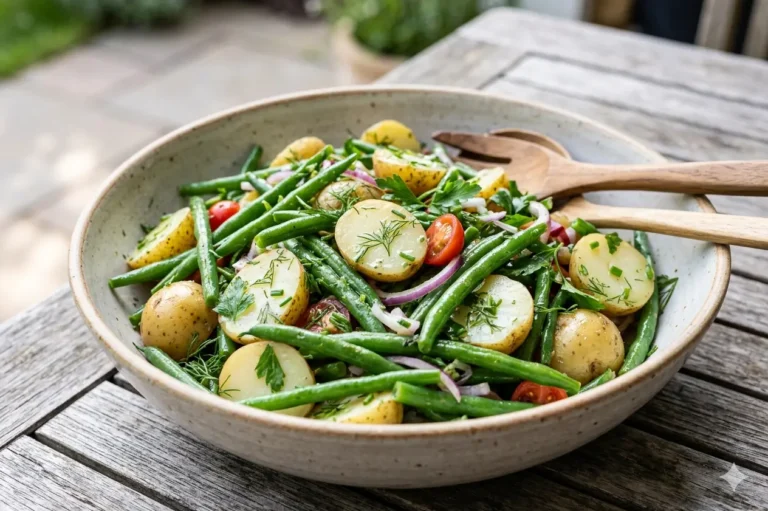
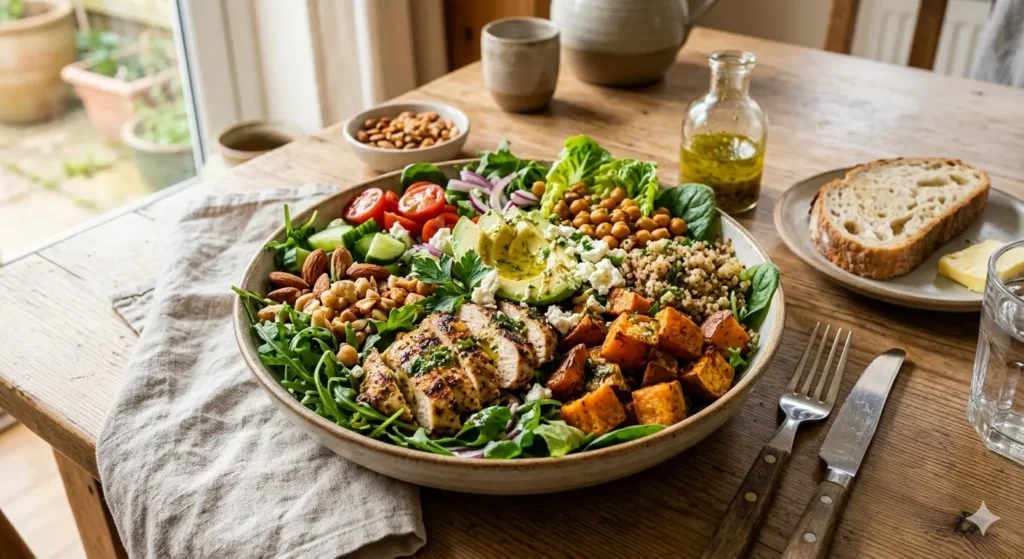
A salad that needs to work as a meal should begin with more than delicate leaves. Romaine, cabbage, kale, grains, potatoes, beans, lentils, or pasta give the bowl structure. Tender greens can still be used, but they do better when mixed with something that can hold dressing, toppings, and a little waiting time.
Add something filling
Protein or slow carbohydrates make the difference between a side salad and dinner. Eggs, chicken, chickpeas, beans, salmon, yogurt dressing, cheese, potatoes, rice, or barley can all help. The goal is not to make the bowl heavy; it is to give it enough substance that readers are not hungry again after one hour.
Use texture on purpose
Crisp vegetables, toasted seeds, croutons, nuts, pickles, roasted vegetables, and soft cheese all change how a salad feels. If every ingredient is soft, the bowl can taste flat even when the seasoning is correct. One crunchy element and one creamy or tender element usually make the result feel more complete.
Balance the dressing
Most simple dressings need fat, acid, salt, and a small flavor booster. Olive oil, lemon juice or vinegar, mustard, honey, garlic, yogurt, herbs, or tahini can work in different combinations. Add part of the dressing first, toss well, then decide whether the salad needs more instead of pouring everything at once.
Serve it at the right moment
Some salads improve after ten minutes, while others wilt quickly. Grain, potato, bean, and cabbage salads can often sit and absorb flavor. Tender lettuce, herbs, and crunchy toppings are better added close to serving. This small timing habit makes homemade salads feel fresher and more intentional.
Frequently asked questions
What makes a salad filling enough for dinner?
A dinner salad usually needs protein, a hearty base, or both. Beans, eggs, chicken, fish, lentils, grains, or potatoes can make the bowl satisfying without turning it complicated. Add one crisp vegetable and one bright ingredient, such as lemon, pickles, herbs, or vinegar, so the salad still feels fresh while it fills the plate.
Can I prepare salad ahead of time?
Yes, but store delicate greens, dressing, and crunchy toppings separately when possible. Sturdy ingredients like grains, cabbage, potatoes, and beans handle advance prep better. If the salad includes warm ingredients, cool them before mixing with tender leaves so the greens do not wilt too early.
Why does my salad taste bland?
It may need more salt, acid, or texture. A little lemon, vinegar, cheese, herbs, toasted seeds, or pickles can make a simple salad feel brighter. Taste the dressing separately and then taste the salad after tossing, because leaves and grains absorb seasoning differently.
What to apply first
If you want to put this guide to work quickly, begin with two simple moves: A good meal salad needs a base, something filling, something crisp, and a clear dressing. Warm ingredients can make a salad feel more satisfying without much extra work. That keeps the article practical instead of letting it sit as theory only.