
Everyday Buttermilk Pancakes
A reliable one-bowl buttermilk pancake method for tender, golden stacks—ready in 25 minutes and perfect for weekday mornings or a cozy weekend brunch.
On this page
A hot, buttered griddle and a smooth, pourable batter are all you need to turn ordinary pantry staples into pancakes everyone asks for.
This buttermilk approach uses one-bowl mixing, a short rest for tender crumbs, and medium-low heat so you get golden edges without burned undersides.
Why this recipe works
Buttermilk reacts with baking soda to give lift while a small amount of melted butter keeps the crumb tender. A brief rest hydrates the flour and reduces toughness, so pancakes are pillowy inside and lightly crisp at the edges.
Ingredient notes
Plain all-purpose flour and full-fat buttermilk give the most consistent texture; no buttermilk? Thin plain yogurt with a little milk or add 1 tablespoon lemon juice to 1 cup milk and let sit 5 minutes.
Sweeten lightly in the batter and let toppings provide most of the flavor—real butter and pure maple syrup, a quick berry compote, or lemon and sugar are all excellent. For other pantry-friendly breakfasts see Recipes. Learn more about our approach on the About page.
How to make it
Read the recipe card below for exact amounts and timing. The method keeps steps straightforward so results are repeatable.
- Measure dry ingredients in one bowl and whisk wet ingredients in another, then fold together until just blended.
- Let batter rest 5–10 minutes while the pan heats; resting improves tenderness.
- Cook on a steady medium-low surface and flip when bubbles form and edges look set.
Give the pan time to reach a steady medium-low heat—too hot and the outsides will darken before the center cooks.
Serving and storage
Serve pancakes straight from the griddle with butter and warm syrup or a fruit compote. Keep a low oven (90–100°C / 200°F) to hold a finished batch while you cook the rest.
Cool fully before stacking for refrigeration; store in the fridge up to 2 days or freeze separated by parchment for up to 2 months. Reheat in a toaster or low oven to retain texture.
Interested in technique and variations? Read more in our Food Stories collection.
Ingredients
- 1 1/4 cups (150 g) all-purpose flour
- 2 tablespoons (25 g) granulated sugar
- 1 teaspoon baking powder
- 1/2 teaspoon baking soda
- 1/2 teaspoon fine salt
- 1 1/4 cups (300 ml) buttermilk
- 1 large egg
- 3 tablespoons (45 g) unsalted butter, melted and cooled, plus extra for the pan
- 1 teaspoon vanilla extract
- Neutral oil or additional butter for frying
Method
- In a large bowl whisk together the flour, sugar, baking powder, baking soda, and salt until evenly combined.
- In a separate bowl whisk the buttermilk, egg, melted butter, and vanilla until smooth.
- Pour the wet ingredients into the dry and stir gently just until most streaks disappear; do not overmix. Let the batter rest 5–10 minutes while the pan heats.
- Heat a nonstick or well-seasoned skillet over medium-low. Lightly brush the surface with oil or butter. The pan is ready when a few drops of water sizzle gently.
- Use a 1/4-cup measure for each pancake. Pour batter onto the skillet and cook until bubbles form on the surface and the edges look set, about 2–3 minutes.
- Flip and cook the second side until golden and cooked through, about 1–2 minutes more. Repeat with remaining batter, adjusting heat as needed to avoid burning.
- Keep finished pancakes warm in a low oven (90–100°C / 200°F) while you finish the batch. Serve with butter, maple syrup, or desired toppings.
- To store: cool completely, then refrigerate in an airtight container up to 2 days or freeze pancakes separated by parchment for up to 2 months. Reheat in a toaster or low oven.
Keep reading
More from Recipes, selected to keep the flow going.
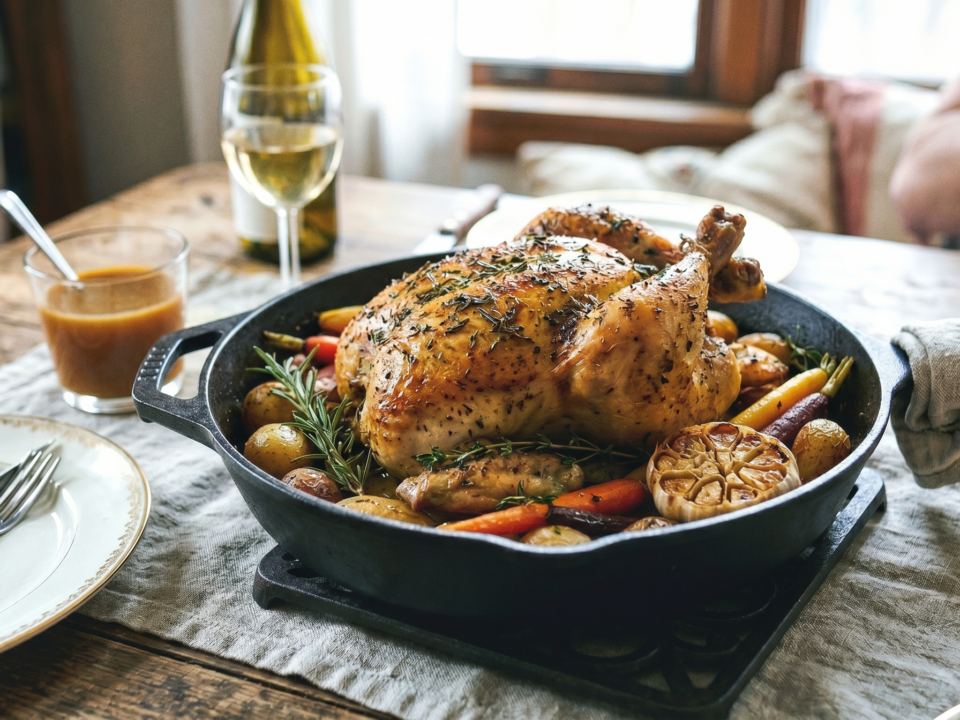
The “Sunday Best” Slow-Roasted Garlic & Herb Chicken
Slow-roast a 3½–4 lb chicken at 300°F for tender, nearly fall-apart breast meat and roast whole garlic until it’s spreadable—plus the single trick that keeps the skin crisp.
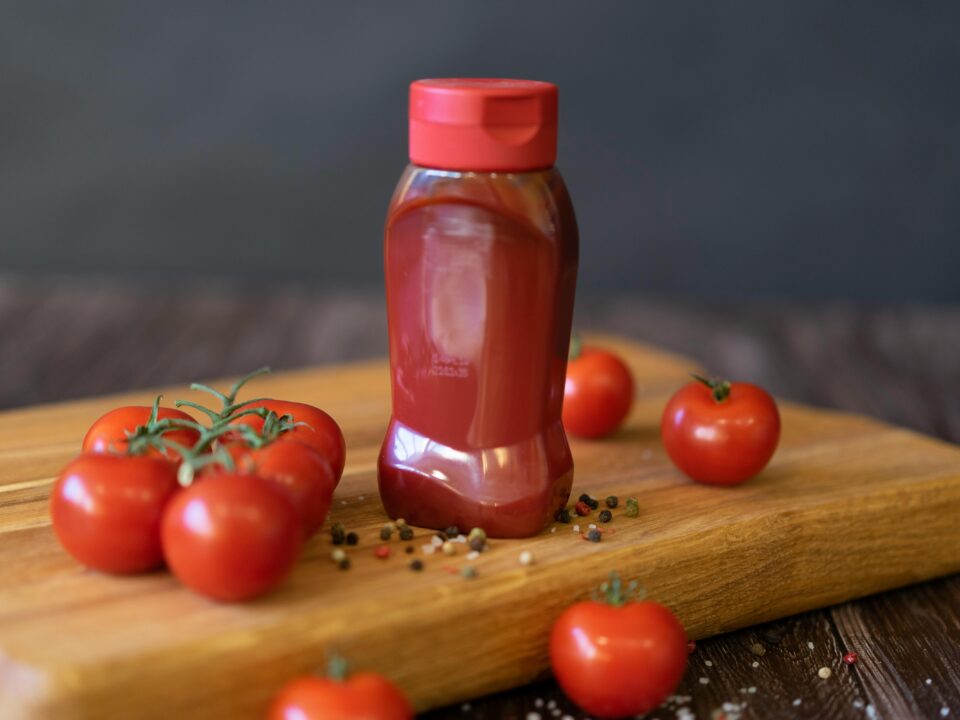
Sauce Tomate That Tastes Slow‑Cooked — in 45 Minutes
Cut through thin, acidic tomato sauce: sweat the onions low and long, toast the tomato paste, then simmer 30–40 minutes for rich, balanced sauce.

Thick, Tall Buttermilk Pancakes: How to Get Perfect Fluff Every Time
Two small technique changes—use buttermilk and mix as little as possible—give tall, tender pancakes with browned edges and a custardy interior in about 25 minutes.
Next in the journal
Jump to the next read without returning to the archive.