
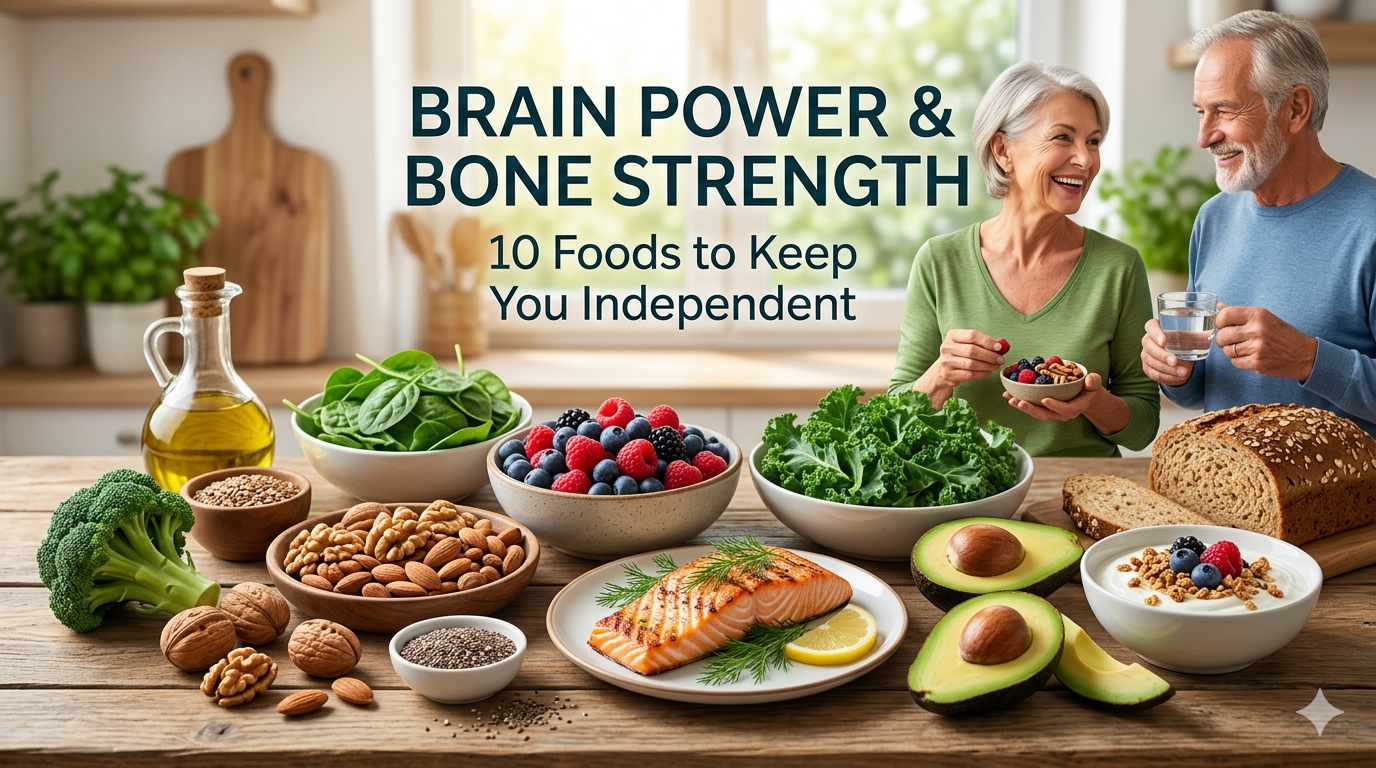
Brain Power & Bone Strength: 10 Foods to Keep You Independent
Start with 10 pantry-friendly foods that support thinking and bone health—each entry includes the kitchen portion or swap that actually makes a difference.
On this page
What’s actually happening: the kitchen chemistry behind the list
Two practical goals guide the list: preserve neuromuscular function (balance, reaction time) and slow bone mass loss. Those goals rely on overlapping nutrients—protein, calcium, vitamin D, B vitamins, magnesium, potassium, vitamin K, and specific fats—and how the kitchen delivers them matters as much as the food itself.
Here are the key mechanisms in cook-friendly terms:
- Protein is structural and quick to use: muscles that protect joints and keep you steady need daily amino acids; spreading protein across meals (eggs at breakfast, yogurt snack, beans at dinner) beats a single big portion.
- Calcium needs a carrier: calcium in canned fish with bones or dairy is more bioavailable when eaten with a bit of fat—hence the olive-oil-packed sardines and yogurt-plus-flax examples above.
- Vitamin D controls absorption: without enough D, dietary calcium slips through; fortified milk, fatty fish, or pairing vitamin-D sources with fat in meals helps absorption in the short term.
- Anti-inflammatory fats support cognition: long-chain omega-3s — the kind in salmon and sardines — are tied to sharper processing. In kitchen terms: swap a processed snack for walnuts or a salmon canapé a couple times weekly.
- Minerals and plants matter together: vitamin K from greens and magnesium from beans and nuts interact with bone metabolism; cooked greens increase volume tolerance so you’ll eat more without effort.
Common mistake cooks make
People often assume “eat more of X” is enough. In practice the biggest losses come from three kitchen errors:
- One-and-done planning: Eating a high-protein meal once weekly does less than modest protein spread over several days. Aim for protein in every meal instead of a single heroic dinner.
- Relying only on dairy for calcium: Dairy helps, but canned fish with bones, beans, and fortified milks are equally useful and often easier for picky eaters—plus they add other supportive nutrients.
- Ignoring pairings: Vitamin D without fat or calcium without vitamin K/Mg lowers return on effort. Small pairing rules—add oil to salads with greens, include a fatty element with fish—make foods work better.
Myth: “Take a pill and skip the food.” Fact: Whole foods deliver multiple, interacting nutrients and meal patterns that supplements rarely mimic.
Understanding these mechanics changes shopping, not just what you pick. The next page gives a compact, kitchen-first plan you can use this week.
Keep reading
More from Food Facts, selected to keep the flow going.
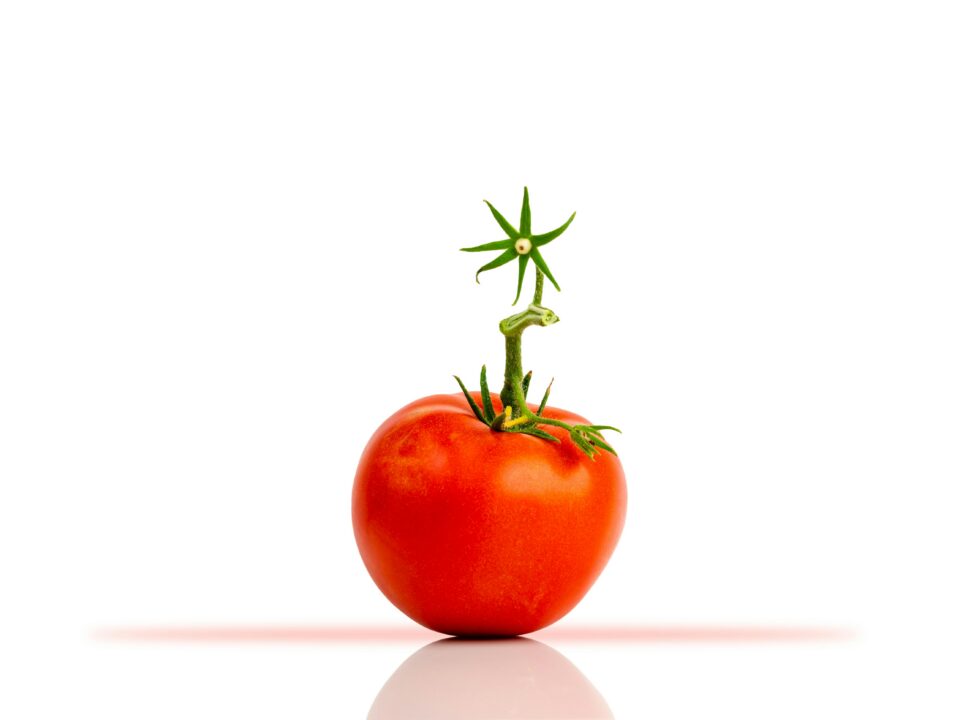
Peeling and Seeding Tomatoes: When It’s Worth the Work (and When to Skip It)
If your sauce turns watery or your salsa becomes runny, remove skins and seeds: blanch 15–30 seconds and strain the gel to keep texture and concentrate flavor.

Eat for Youthful Skin and Energy: 10 Foods to Add to Your Kitchen Now
Start with three weekly swaps—salmon, spinach, and blueberries—to boost protein, omega‑3s, and vitamin C; here’s the practical list plus simple kitchen tips.

Should You Refrigerate Bananas? Why the Peel Goes Brown and When It’s Worth It
Refrigerating ripe bananas darkens the peel but slows interior softening—learn when brown skins are cosmetic, how cold damages peel cells, and exact storage moves that work.
Next in the journal
Jump to the next read without returning to the archive.