
Roasted Carrot and Feta Couscous Salad
Roasted carrots, couscous, herbs, feta, and lemon make a practical salad that works for lunch, dinner, and tomorrow's fridge.
On this page
There are salads that behave like decoration and salads that actually solve meals. Roasted carrot and feta couscous belongs firmly in the second category. It is bright enough to feel fresh, substantial enough to count as lunch or dinner, and friendly to the kind of advance prep that makes the next day easier.
The trick is to let the carrots do real work. When they roast long enough, they become sweet at the edges and savory at the center, which gives the salad more personality than a bowl built entirely from raw vegetables. Add salty feta, soft couscous, herbs, and something sharp in the dressing, and the whole thing feels complete without turning fussy.
Why roasted carrots change the balance
Raw carrots can be clean and pleasant, but roasted carrots become persuasive. They soften just enough to feel generous, and their sweetness gives the feta something to push against. That contrast is why the salad holds up as a meal rather than as a side dish waiting for someone else to complete it.
It also means the couscous never has to do too much. Couscous is there for softness, structure, and easy absorption. The carrots bring the character.
Roasting also changes the emotional register of the salad. Raw vegetables can feel brisk and worthy. Roasted vegetables feel warmer, slower, and more meal-like. That matters when you want a bowl that can carry lunch by itself or stand in for dinner without apology. The carrots supply that generosity before the feta or herbs even arrive.
A little honey or cumin is enough to nudge the tray in the right direction, but the carrots should still taste like carrots. When they are cooked well, they bring sweetness, earthiness, and a bit of dark edge from the pan. The bowl becomes more persuasive because one ingredient clearly has a point of view.
How to keep the salad lively
The dressing should not be timid. Lemon, olive oil, and black pepper need enough presence to keep the grains from dulling the whole bowl. Herbs help too, especially parsley or mint, because they cut through the sweetness and make leftovers feel fresher on day two.
Feta is best added in uneven pieces rather than neat cubes. A few larger chunks give you salty hits, while the smaller crumbs start to dissolve into the couscous and make the entire bowl taste more connected.
This is one of the places where assembly matters more than technique. If everything is stirred into perfect uniformity, the bowl can start tasting flat. Keeping the feta crumbled irregularly, the herbs freshly torn, and some carrots visible on top makes the salad taste livelier because each forkful lands a little differently. Uniform bowls are tidy; they are not always the most interesting to eat.
Couscous needs care as well, even though it is often treated as an afterthought. Fluff it fully after steaming, season it while it is still warm, and dress it before it dries out. Those few minutes decide whether it becomes absorbent and tender or clumpy and forgettable.
How to make it a stronger lunch or dinner
One reason this salad deserves a place in a launch archive is that it meets a real weekday need. Not every useful meal is a bubbling pan or a steaming pot. Sometimes what people need is a bowl that can live in the fridge, travel to work, and still feel pleasant to eat the next day. Roasted carrot couscous does that better than many leafy salads because its core ingredients are not fragile.
If you want to give it more heft, chickpeas fit naturally. So does a soft-boiled egg, roast chicken, or a handful of toasted seeds. But the base should still feel complete before those additions arrive. A recipe becomes trustworthy when the extras feel optional rather than necessary rescue work.
Why this is good meal-prep food
It stores well, travels well, and tastes good both chilled and at room temperature. That matters more than perfection. A salad that waits well in the fridge is often more useful than a hot dinner that cannot survive tomorrow.
If you want to stretch it further, add chickpeas or a jammy egg. If you want it lighter, increase the herbs and lemon. The base is flexible, which is part of the reason it earns repeat status.
Meal-prep food also needs to hold its tone. This bowl does not become depressing by day two because the carrots retain sweetness, the couscous remains soft, and the feta keeps sending little hits of salt through the grains. A squeeze of fresh lemon before serving can wake it back up, but the structure of the salad is already on your side.
Why this kind of salad belongs on a food site
A good food journal earns reader confidence not only through grand centerpiece recipes but also through the smaller, more adaptable dishes that real kitchens rely on. This salad shows whether the site understands lunch, leftovers, and the practical middle ground between side dish and main course. If it reads clearly and behaves as promised, that tells readers something good about the rest of the archive too.
That is one reason salads deserve better treatment than they often get online. A real salad recipe is not a list of ingredients tossed together in a bowl. It is an arrangement of textures, temperatures, and seasoning choices that makes ordinary produce feel worth returning to.
How the bowl stays interesting through the week
Part of the success here comes from contrast that holds. The carrots keep sweetness, the feta keeps salinity, the herbs keep freshness, and the couscous keeps the whole thing from feeling too sharp. Because those roles are distinct, the salad remains readable even after it has sat for a day. The flavors do not collapse into one blunt note.
That is especially useful for lunch cooking. Many practical lunches are good only in theory. They travel badly, become soggy, or lose all appeal by noon the next day. This bowl survives because its core ingredients are sturdy. It rewards the kind of planning that real weekdays require.
A recipe like this also gives readers permission to treat a salad as a true meal rather than as a moral side dish. It has sweetness, salt, starch, acid, and texture in balance. That is why it belongs in a launch archive that wants to look lived-in rather than decorative.
That balance is also why the bowl stays flexible without becoming vague. It can sit beside roast chicken, work as a lunch on its own, or absorb a few pantry additions without losing its shape. The best practical salads have that quality. They are open enough to adapt but strong enough to remain themselves.
That combination of adaptability and definition is what makes the salad feel publishable rather than provisional. It solves a real meal problem, keeps its character in the fridge, and asks for ordinary ingredients handled with attention. That is exactly the kind of practical confidence a launch archive should show.
Keep reading
For another practical dinner built from ordinary ingredients, try Tomato Butter Beans on Toast with Garlic and Lemon. If you like kitchen pieces that think about usefulness over novelty, read Why Some Kitchen Rituals Matter More Than New Gadgets. And for a note on how recipes are handled here, open the Editorial Policy.
Ingredients
- 700 g carrots, peeled and cut into batons
- 2 tablespoons olive oil
- 1 teaspoon honey
- 1 teaspoon cumin seeds
- 200 g couscous
- 250 ml hot stock or water
- 120 g feta
- 1 lemon
- A handful of parsley or mint
- Salt and black pepper
Method
- Heat the oven to 220 C / 425 F. Toss the carrots with olive oil, honey, cumin, salt, and pepper, then roast until tender and browned at the edges.
- Put the couscous in a bowl, pour over the hot stock or water, cover, and leave for 10 minutes before fluffing with a fork.
- Whisk lemon juice with a little more olive oil, salt, and pepper for the dressing.
- Combine the couscous with the roasted carrots, herbs, and most of the dressing.
- Scatter over the feta, finish with the remaining dressing, and serve warm or at room temperature.
Keep reading
More from Recipes, selected to keep the flow going.
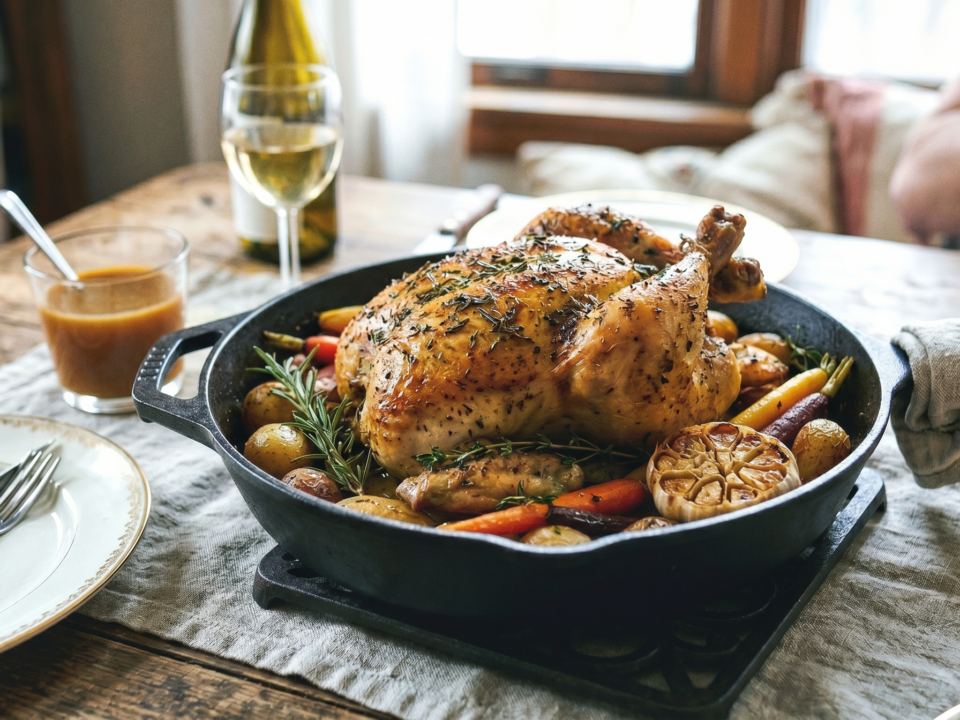
The “Sunday Best” Slow-Roasted Garlic & Herb Chicken
Slow-roast a 3½–4 lb chicken at 300°F for tender, nearly fall-apart breast meat and roast whole garlic until it’s spreadable—plus the single trick that keeps the skin crisp.
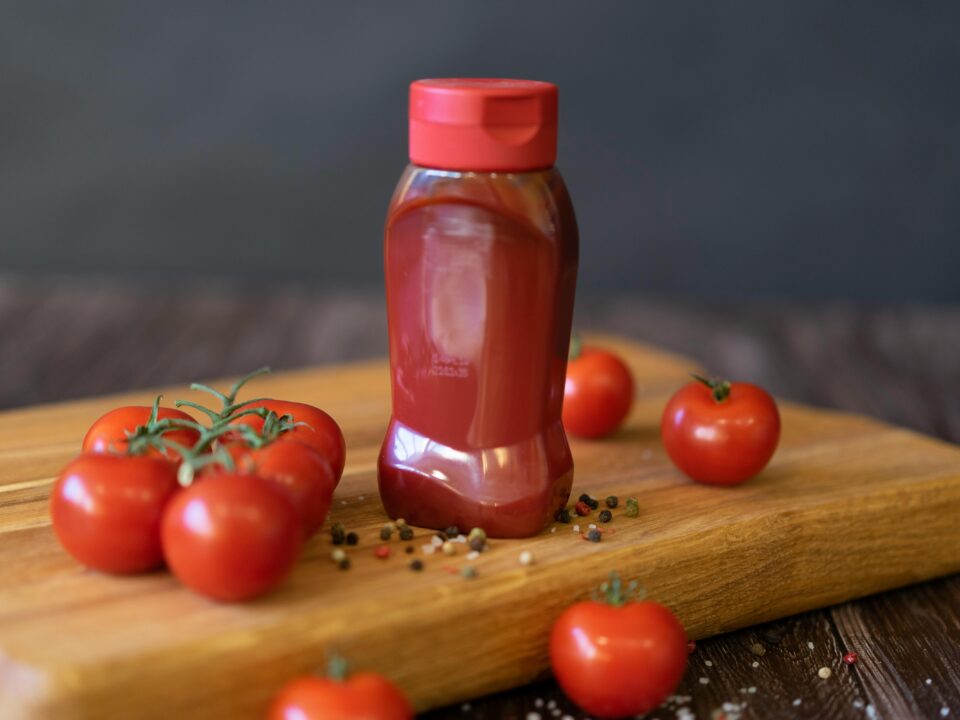
Sauce Tomate That Tastes Slow‑Cooked — in 45 Minutes
Cut through thin, acidic tomato sauce: sweat the onions low and long, toast the tomato paste, then simmer 30–40 minutes for rich, balanced sauce.

Thick, Tall Buttermilk Pancakes: How to Get Perfect Fluff Every Time
Two small technique changes—use buttermilk and mix as little as possible—give tall, tender pancakes with browned edges and a custardy interior in about 25 minutes.
Next in the journal
Jump to the next read without returning to the archive.