How to Plan Weeknight Dinners Without Overthinking
A practical guide to planning weeknight dinners with flexible anchors, realistic prep, and simple fallback meals for busy days.
A practical guide to planning weeknight dinners with flexible anchors, realistic prep, and simple fallback meals for busy days.
This guide complements the wider kuchniatwist recipe collection and the broader guides archive.
At a glance
- Choose two reliable dinner anchors before adding variety.
- Plan around effort level, not only around ingredients.
- Keep one pantry meal and one freezer-friendly meal available each week.
- Use leftovers intentionally so they become lunch or a second dinner, not forgotten containers.
What this guide helps with
This guide is built for practical searches, not vague inspiration. It connects the main topic to ordinary kitchen decisions: what to choose, what to prepare first, and what to notice while cooking.
If you want to use it quickly, scan the subheadings first and come back to the relevant section when you are shopping, planning a meal, or comparing ingredients at home.
Start with dinner anchors
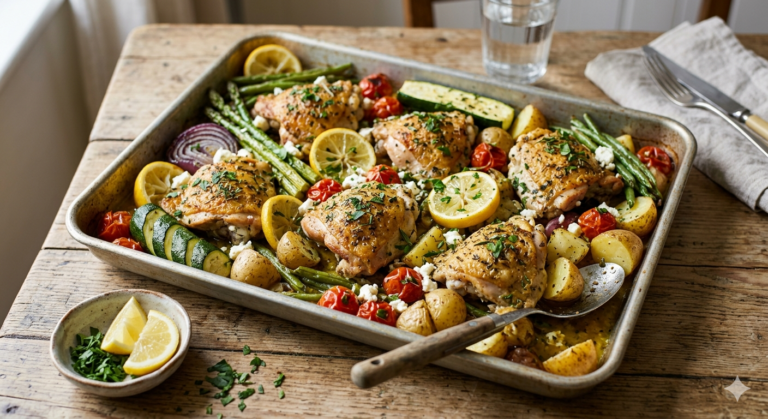
A weeknight plan becomes easier when two meals are already familiar. Choose one quick meal and one more generous meal, then build the rest around them. Anchors reduce decision fatigue because you are not inventing a new routine every evening. For example, one anchor can be a pasta, rice skillet, or curry that uses pantry ingredients, while the second can be a tray bake or soup that gives leftovers.
Match recipes to real energy
A recipe can look simple and still be wrong for a tired Wednesday if it needs many pans or constant attention. Mark meals as low, medium, or high effort. Save high-effort dinners for nights when you have time to enjoy the process. This also helps beginners choose recipes honestly, because a short ingredient list is not always the same as a calm cooking experience.
Use overlap without repetition
Ingredient overlap saves money and prep time, but the meals should not feel identical. Roast extra vegetables for a tray bake, then use the rest in rice, pasta, or soup. The trick is changing texture, sauce, or serving style. A lemony chicken dinner, a tomato pasta, and a vegetable rice pan can share onions or herbs without tasting like the same meal repeated.
Keep fallback meals visible
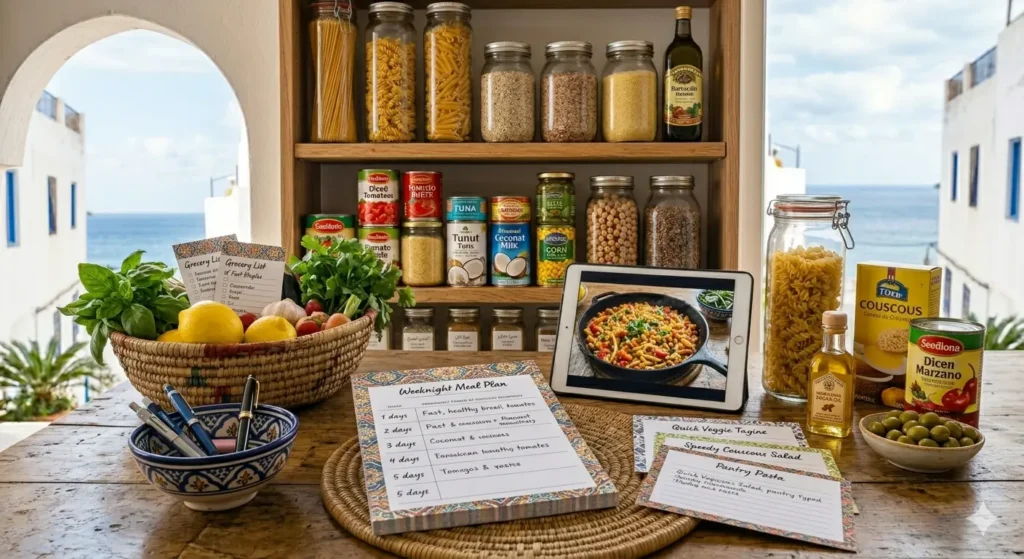
Every plan needs a backup. Pasta, chickpeas, rice, eggs, frozen vegetables, and canned tomatoes can rescue dinner when shopping or timing changes. Fallback meals work best when they are written down, not stored only as a vague idea. Keep the backup simple enough that it still works when you are hungry, busy, or missing one fresh ingredient.
Plan leftovers before cooking
Leftovers are useful when they have a job. Decide whether extra food becomes lunch, a second dinner, or a base for another dish. This prevents the common problem of cooking extra but still feeling like there is nothing ready to eat. Labeling the plan in your mind before storing the food makes it more likely that the next meal happens without another full round of cooking.
Frequently asked questions
How many dinners should I plan at once?
For most home cooks, three to five planned dinners are enough. Leave space for leftovers, invitations, tired nights, and simple meals from the pantry.
Should every dinner include a new recipe?
No. Repeating reliable meals is part of good planning. New recipes are easier to enjoy when the rest of the week is not overloaded.
What is the easiest fallback dinner to keep ready?
A pasta, rice skillet, or chickpea curry is usually dependable because the ingredients store well and the cooking time stays short. Keep the seasoning simple and add fresh herbs, lemon, yogurt, or cheese at the end if you have them.
What to apply first
If you want to put this guide to work quickly, begin with two simple moves: Choose two reliable dinner anchors before adding variety. Plan around effort level, not only around ingredients. That keeps the article practical instead of letting it sit as theory only.