What Happens to Your Body When You Eat Fast Food Every Day?
If you’ve ever found yourself pulling into a drive-thru lane after a grueling day at work, you know the feeling: you’re so exhausted that the mere thought of taking a frying pan out of the cupboard feels like a mountain...
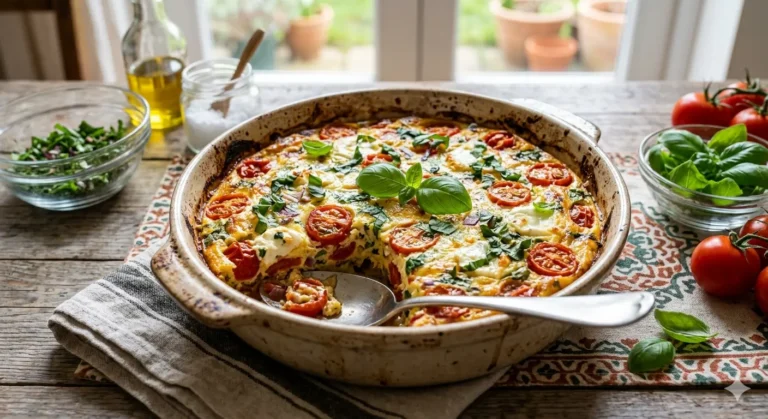
Prep sauces in advance. A yogurt sauce with garlic and dill or a homemade pesto keeps well in the fridge and can instantly turn a piece of grilled meat into a delicacy. When to use this advice Use this guide when you feel your diet has spiraled out of control and fatigue has become your permanent state. It’s for parents and grandparents who want the energy to keep up with their families and who understand that health is built in the kitchen, one spoonful at a time. Apply these tips especially during busy periods when the temptation to “skip cooking” is highest. Remember, it’s not about perfection; it’s about progress. If you replace four fast-food meals a week with home-cooked versions, the impact on your health will be visible in less than a month. To continue, also see: Tomato Basil Egg Bake and Pantry Staples for Fast Meals. FAQ: Q: Is it really that bad if I eat fast food once a day but eat healthy the rest of the time? A: It depends on your choices, but even one fast-food meal can exceed your daily recommended limit for salt and saturated fats. Your body still has to manage that massive excess, which can lead to inflammation and water retention regardless of your other meals. Q: What should I order if I have no other option and must eat at a fast-food place?
A: Look for the simplest options: a grilled chicken salad (skip the heavy dressings), a veggie wrap, or if you want a burger, skip the mayo and the large fries. Water is always better than soda. Q: Why do I get hungry so quickly after eating a fast-food burger? A: These foods are low in fiber and quality protein but high in refined carbs. They digest rapidly, causing an insulin spike followed by a crash, which signals your brain that you are “hungry again.” Q: Doesn’t cooking at home use more electricity and time? A: In the long run, no. Cooking in larger batches and using efficient methods like steaming or roasting is very cost-effective. Plus, the long-term medical costs of a poor diet far outweigh the few minutes saved today. Conclusion: The path to a healthier life after 40 doesn’t require extreme measures, but rather a re-acquaintance with your own kitchen. Fast food is a momentary solution that “borrows” energy from the “you of tomorrow.” By gradually replacing these habits with real food made from simple ingredients, you won’t just feel better—you’ll rediscover the pleasure of authentic taste. Your kitchen is your best pharmacy; use it wisely!