
Fast Fish Tagine: Silky Tomato‑Saffron Broth in 50 Minutes
Add the fish at the last 8–10 minutes so it stays moist; this tagine pairs tomato, saffron and preserved lemon into a weeknight‑friendly stew you can finish in under an hour.
On this page
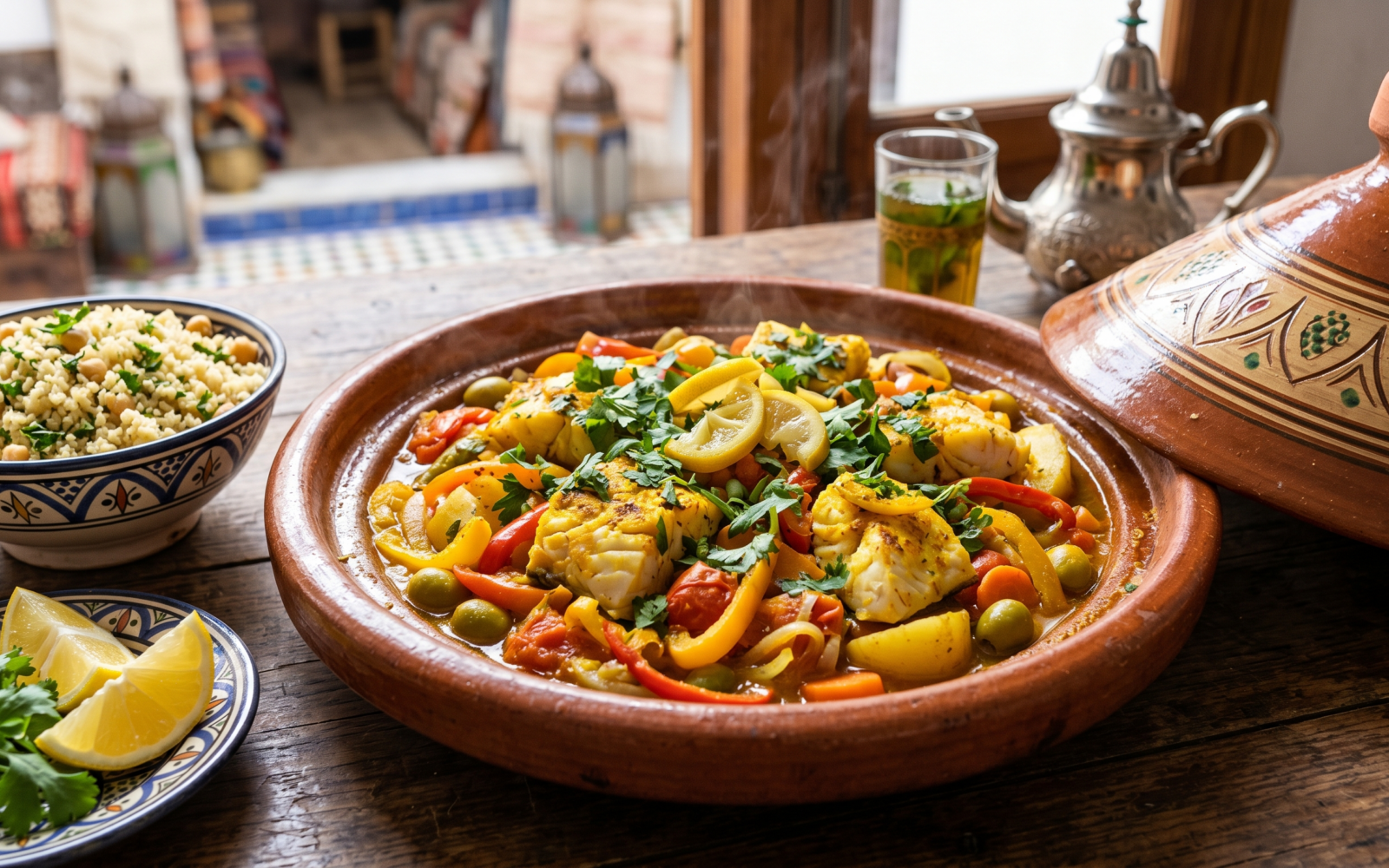
Make a proper fish tagine tonight without the myth of long braises: start to finish this one takes about 50 minutes, and the trick is timing—long, slow work for the base and a short, gentle poach for the fish. You get a concentrated tomato‑saffron broth, glossy olive oil on the surface, and fillets that flake without drying out.
Why this works
A successful fish tagine depends on two separate jobs: building a deeply flavored cooking liquid, and then coaxing the fish into it without overcooking. We give the aromatics and tomato a long enough moment to concentrate—caramelizing the onion, toasting spices, and reducing the tomatoes—so the final, quick poach adds flavor without diluting the sauce.
Key technique: add the fish only when the sauce is complete and gently simmering. Thick, skin‑on fillets will hold together and need less time; thin fillets or steaks should be stacked or left whole and tested. Using a shallow, wide pot (a tagine, heavy skillet with lid, or a shallow Dutch oven) exposes more surface to evaporation so the sauce becomes glossy and reduced in the same time you’d otherwise be stewing.
By the end of this page you should be able to pick the right fish and know why you don’t want to toss raw fillets into a watery, under‑reduced sauce; scroll on for the exact staging and times. If you want a deeper primer on why slow onion cooking matters to a braise, see Why Onions Need More Time Than Most Recipes Admit.
Ingredient notes
Precise ingredients matter less than the roles they play. Here’s what to buy and how to treat it so the tagine sings.
- Fish: Choose a firm white fish—sea bass, cod, halibut, or swordfish steaks all work. Cut into 1‑ to 1½‑inch thick portions so they can be poached gently for 6–10 minutes without falling apart.
- Onion and garlic: Thinly sliced onion caramelized over medium heat for 12–15 minutes gives the sauce backbone; garlic is added later so it doesn’t burn. For more on garlic choices, see Fresh Garlic vs Roasted Garlic: When Each One Wins.
- Tomato paste and tomatoes: A tablespoon of tomato paste, cooked briefly with the spices, gives umami and color; it needs a minute or two in the pan to lose the raw edge—this is exactly what What Tomato Paste Actually Does in a Pan explains.
- Spices: Saffron (a pinch, steeped in hot stock) adds warmth and color; smoked paprika or a light pinch of cayenne gives balance. Toast ground cumin in the pan for 30 seconds to bring it forward.
- Preserved lemon & olives: Preserved lemon rind (rinsed and finely chopped) brightens the sauce better than fresh lemon because it adds fermented, complex acidity; if unavailable, use a strip of zest plus a teaspoon of lemon juice at the end and a tablespoon of capers.
- Liquid: Fish stock is ideal but water with a splash of dry white wine or a small fish‑bouquet cube works. Keep the ratio lean—just enough to cover the base and give the fish something to poach in; you want a glossy, not soupy, finish.
One more ingredient tip: don’t skimp on olive oil. A good glug at the start and a drizzle at the end lifts the flavors and gives the surface that house‑made sheen.
Ready for the method? The next page walks you through timing, equipment choices, and what to watch for while cooking.
Keep reading
More from Recipes, selected to keep the flow going.
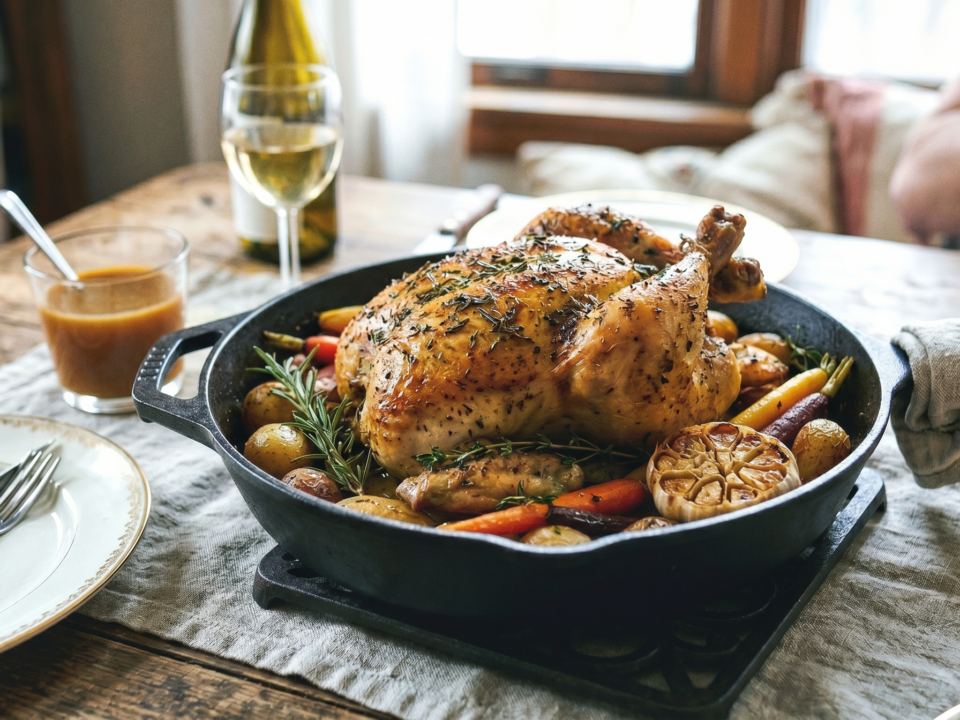
The “Sunday Best” Slow-Roasted Garlic & Herb Chicken
Slow-roast a 3½–4 lb chicken at 300°F for tender, nearly fall-apart breast meat and roast whole garlic until it’s spreadable—plus the single trick that keeps the skin crisp.
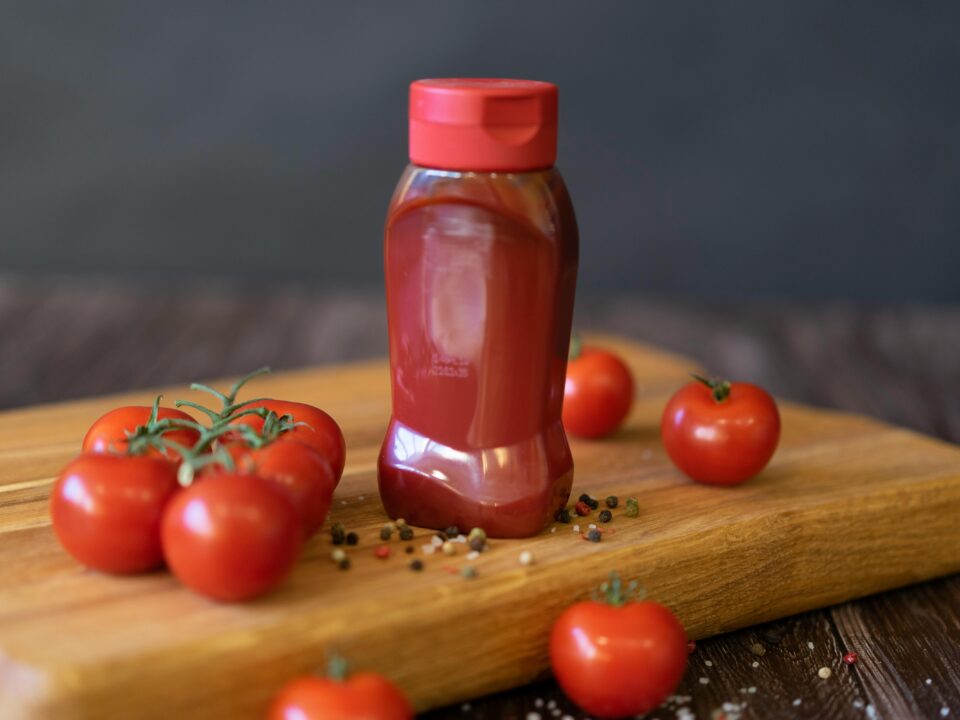
Sauce Tomate That Tastes Slow‑Cooked — in 45 Minutes
Cut through thin, acidic tomato sauce: sweat the onions low and long, toast the tomato paste, then simmer 30–40 minutes for rich, balanced sauce.

Thick, Tall Buttermilk Pancakes: How to Get Perfect Fluff Every Time
Two small technique changes—use buttermilk and mix as little as possible—give tall, tender pancakes with browned edges and a custardy interior in about 25 minutes.
Next in the journal
Jump to the next read without returning to the archive.